
High blood pressure causes small blood vessels in the retina to narrow, leak or bulge and reduce blood flow; this causes eye swelling and can even result in blurry vision.
Studies indicate that changes to the retina reflect changes to blood vessels elsewhere in the body and thus are an excellent indicator of blood pressure control and cardiovascular risk. Signs of hypertensive retinopathy provide an accurate reflection of this.
Treatment
Hypertensive retinopathy (HR) is a telltale sign of cardiovascular disease, typically appearing among those who have elevated blood pressure but who do not meet clinical diagnostic criteria for it. HR can increase your risk for stroke, heart failure, renal disease and other serious cardiovascular-related issues that could threaten life itself.
Like diabetic retinopathy, hypertensive retinopathy symptoms vary depending on how the retinal blood vessels are affected. While early stages are usually without visual symptoms for people living with hypertensive retinopathy, blurred vision and dark spots in their field of vision may become noticeable as retinal blood vessel blockages worsen; left untreated these blockages could eventually lead to blindness.
Hypertensive retinopathy can often be diagnosed during a regular eye exam. An ophthalmologist or optometrist will typically perform a dilated fundus examination to observe any damage to retinal blood vessels, and may use additional tests like fluorescein angiography for more in-depth analysis of retinal blood vessel condition.
Hypertensive retinopathy requires effective blood pressure control through diet, exercise, reducing salt and alcohol intake as well as using medication such as beta blockers, diuretics, calcium channel blockers or angiotensin converting enzyme inhibitors. Laser surgery to reduce retinal edema may be necessary in those suffering severe hypertensive retinopathy; follow-up visits with an ophthalmologist or primary care physician are essential to ensure consistent control.
Mild hypertensive retinopathy has only weak associations with cardiovascular diseases; however, moderate and severe hypertensive retinopathy have strong correlations to subclinical and clinical cardiovascular illnesses. Therefore, careful assessment of hypertensive retinopathy among older patients could provide valuable information for cardiovascular risk stratification purposes. Whether treating outpatient or urgent/emergent cases, optometrists play an integral part in this process and the two cases below demonstrate this point well.
Diagnosis
High blood pressure places excessive force on various organs in the body, including those of the retina (light-sensitive tissue lining the back of the eye). Over time, retinal blood vessels become damaged; this condition is known as hypertensive retinopathy. Hypertension impacts all areas of life; however, its most visible effects are seen most easily within eyes as blood vessels in this tissue stretch and contract in response to changes in pressure.
Poorly managed hypertension can result in target-organ damage (TOD) to numerous organ systems in the body, including kidneys, brain, and cardiovascular system. Furthermore, evidence shows that TOD may be an indicator of mortality. Hypertensive retinopathy is one of the most frequently seen forms of TOD seen clinically; studies have revealed it as being even stronger an indicator than cholesterol of future cardiovascular problems than is cholesterol itself.
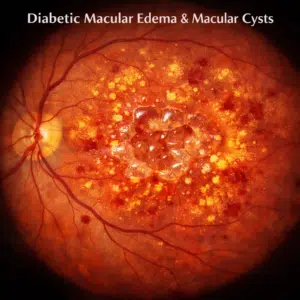
Hypertensive retinopathy can be divided into three grades of severity: Grade 1 involves mild generalized retinal arteriolar narrowing; grade 2 refers to more severe generalized narrowing, as well as focal areas and AV nicking; while grade 3 (also referred to as accelerated or malignant hypertensive retinopathy) includes signs from grades 1-3 as well as flame haemorrhages, hard exudates or optic disc edema (macular edema).
Damage to retinal blood vessels is directly proportional to systolic and diastolic blood pressure levels, making regular monitoring essential so damage can be detected early and treated appropriately.
As part of an effective plan to combat hypertensive retinopathy and slow its progress, having regular dilated eye examinations with dilation of all pupils to check retinal blood vessels is the most efficient way to detect early symptoms and provide timely intervention such as prescription of medications or lifestyle advice to lower blood pressure – and hopefully avoid or postpone sight loss.
Symptoms
High blood pressure damages the small blood vessels supplying blood to the retina (the light sensitive layer at the back of your eye). This causes them to swell, which reduces circulation to the retina and leads to vision loss. Blood can leak out from these damaged blood vessels into the retina causing further damage which leads to further blindness if left uncontrolled, including gradual blindness in its central area (macula). For these reasons it is crucial that blood pressure be under control as uncontrolled pressure will worsen retinal vessel damage over time; visit your GP regularly for comprehensive eye exams in order to monitor this.
Hypertensive retinopathy can be classified into four grades of severity: mild, moderate, severe and accelerated malignant hypertension1. Early symptoms of mild hypertensive retinopathy usually don’t manifest themselves until later stages when blood-retina barrier breakdown causes hemorrhages or hard exudates to form on retinal nerve fiber layer and cause hemorrhages with cotton wool spots or flame hemorrhages to appear.
As the disease worsens, retinal veins may twist and dilate further and the optic disk (where retina and optic nerve meet) to swell significantly; additionally, patients may develop retinal detachments that require immediate medical attention.
Hypertensive retinopathy serves as an indicator of systemic vascular disease and has been linked to subclinical and clinical cardiovascular events, including stroke, coronary heart disease, congestive heart failure1, as well as changes to retinal vasculature from high blood pressure that may correlate to left ventricular hypertrophy and renal dysfunction1. Recent research suggests a relationship between changes to retinal vasculature caused by high blood pressure and left ventricular hypertrophy as well as diminished renal function1.
Estimates suggest that over 10% of those with blood pressure exceeding 140/90 mmHg will develop hypertensive retinopathy2. Mild-to-moderate retinopathy increases risk for coronary heart disease, stroke and other cerebrovascular events as well as being an independent predictor of cardiovascular mortality.
Prevention
High blood pressure increases the risk of several eye disorders, such as hypertensive retinopathy. This complication arises due to excess blood exerting pressure on retinal blood vessels and damaging them resulting in irreparable harm to one or both eyes. Hypertension damages small blood vessels in the retina – the light-sensitive layer at the back of your eye – by thickening their walls, restricting blood flow through them and cutting off its supply to your retina. Damage can also occur to the optic nerve, which transmits visual signals from retina to brain, leading to nonarteritic anterior ischemic optic neuropathy (NA-AION) which could eventually result in vision loss and possibly blindness.
Retinal changes associated with hypertension typically progress gradually from mild to severe stages, with symptoms becoming apparent gradually as time progresses; initial signs may not even be apparent until symptoms such as double vision and vision loss become increasingly noticeable; eventually vision may even completely vanish depending on its severity; therefore it’s essential that individuals be aware of retinopathy’s signs and symptoms in order to detect and treat promptly.
Regular eye examinations can improve the diagnosis and management of hypertensive-related retinopathy. Examinations should be performed by certified eye care providers such as an ophthalmologist or optometrist to help detect early symptoms, slow progression, preserve vision and possibly save your sight.
Hypertensive Retinopathy affects people of all ages and backgrounds, and is one of the leading causes of vision loss in adults. If you notice symptoms, seek medical attention immediately and follow a healthy diet and weight management to maintain normal blood pressure levels – this will reduce risks such as heart attack, stroke, ocular Vascular Disorders and kidney diseases as well as increase medication effectiveness for treating high blood pressure.



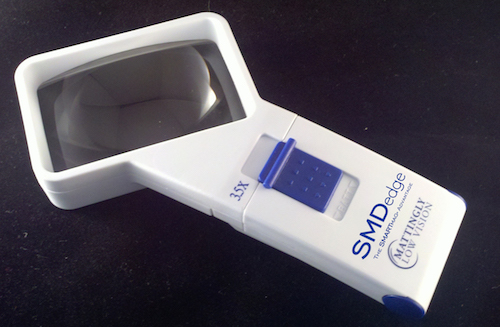
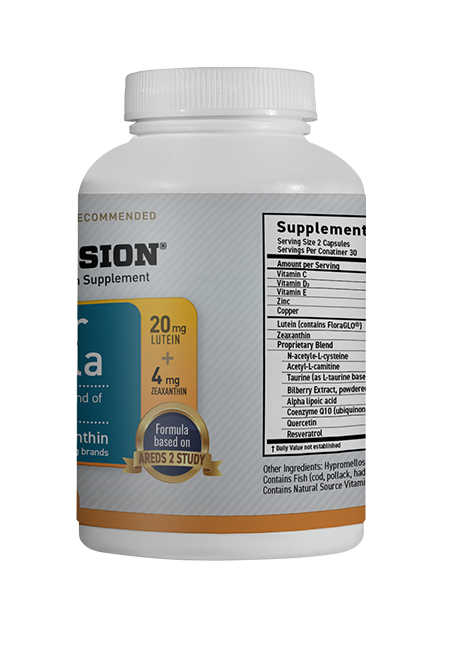
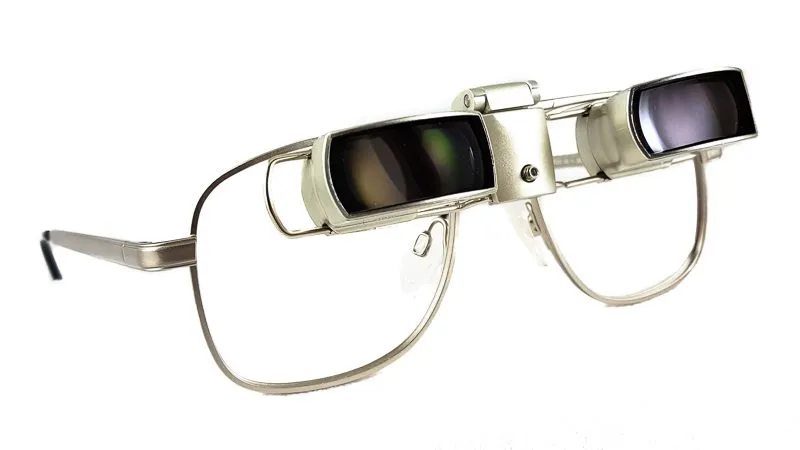
 Shop Best Low-Vision Aids with FREE Doctor Consultation.