


Many eye diseases can lead to irreversible blindness. But with early diagnosis and proper treatment, they may be prevented; thus demonstrating the need for regular eye exams.
Common eye problems include dry eyes caused by contact lens wear, air conditioning and lack of blinking; pterygium (a growth on the side of the eye); astigmatism; and strabismus, in which both eyes do not look at the same point or are misaligning themselves.
1. Glaucoma
Glaucoma is one of the primary causes of blindness among people over 60, occurring when there is a build-up of pressure in the front section of their eye, which pushes against their optic nerve – connecting to your brain via light signals – pushing against it, damaging it over time, leading to irreparable vision loss.
Your eyes produce a watery fluid called aqueous humor which constantly circulates throughout them providing nourishment to different parts of the eye. When working properly, this fluid drains through a system known as trabecular meshwork located where cornea and iris meet; when glaucoma develops this drainage area is blocked which increases eye pressure leading to vision loss – typically peripheral vision first followed by central. You may notice discomfort, headaches, blurred vision or redness in one or both eyes and vomiting as symptoms of glaucoma.
Though no one can completely prevent glaucoma, regular eye exams are vital in order to detect it early and protect vision loss. Treatment options for glaucoma may include medication and surgical interventions to improve fluid drainage from within the eye.
Everyone over 40 should regularly have their eye pressure measured with a tonometer, with those at greater risk, like diabetics and people older than 40, getting this done more frequently. There are various surgical treatments available to reduce eye pressure such as trabeculectomy – creating a new pathway from the scleral surface into trabecular meshwork or creating a bleb (bubble-like blister) beneath conjunctiva tissue – or creating a bleb (bubble-like blister).
2. Retinal Detachment
Retinal detachment occurs when the retina detaches from its normal position within the eye, potentially leading to permanent blindness. Retinal detachments often start with tears or holes in the retina that allow fluid in, leading to its separation from its back wall (vitreous). Once separated from this wall (vitreous), light images no longer reach your brain, leading to blurry images seen as “floaters”. These objects move around when eyes are moved causing blurry or even black-and-white images in front of these spots in front of your field of vision).
Retinal detachments can be very serious conditions that need immediate medical attention, in most cases it can be restored through appropriate surgery. There are multiple techniques to fix retinal detachments including scleral buckle, pneumatic retinopexy and vitrectomy which all aim to press against retinal holes until scarring heals them up and restore vision.
Preventing retinal detachment requires regular eye checks with an ophthalmologist, particularly for individuals at risk, such as having a family history of retinal detachment, diabetes or sickle cell disease. Regular appointments with your opthamologist should help to keep your retinas attached firmly in their sockets.
3. Macular Degeneration
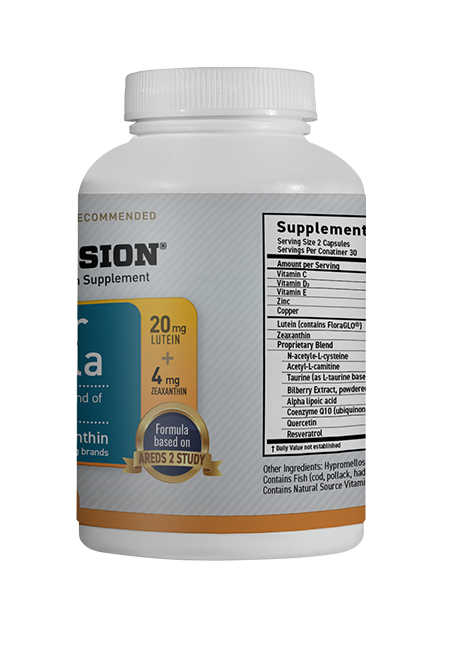
Age-related macular degeneration (AMD) is an eye condition that damages the central part of your retina – the thin layer on the back of the eyeball that transmits visual images to your brain, enabling you to see fine details, drive safely and recognize faces or colors. AMD is one of the primary causes of blindness among people over 50; symptoms of macular degeneration include blurriness or distortion of central vision – straight objects like telephone poles and venetian blinds may appear crookedly and it can make distinguishing colors difficult – yet you still may have good peripheral vision remaining.
Macular degeneration occurs when the macula, an area at the centre of retina that collects detailed images and supports central vision functions like reading fine details or threading needles, becomes damaged due to damage to light-sensing cells within it and stops functioning properly – typically both eyes are affected but progress at different rates.
Dry macular degeneration, the most prevalent form of this eye disease, is characterized by gradual thinning and breakdown of the macula, diagnosed by yellow deposits under the retina called drusen. Over time, abnormal blood vessels start growing under the retina that leak fluid, leading to blurriness of vision; this form is known as wet macular degeneration (or “neovascularization”).
Wet AMD is less common but results in more rapid loss of vision, often through medications or injections of chemicals that encourage new blood vessels to form beneath the retina. Treatment options may include medication or injections of chemicals which stimulate their formation.
4. Cataracts
Cataracts are an eye disease in which the lens becomes cloudy, often due to changes in protein in its composition, making its function as a camera lens obsolete. Cataracts form when protein in this lens changes and cloudiness results. Over time this causes blurry vision that worsens gradually until eventually leading to blindness.
Cataract symptoms typically include blurry or distorted vision, light sensitivity and glare. At first, these symptoms may progress slowly but over time become increasingly severe as the cataract advances. Though they usually develop gradually and mildly at first, as time progresses they can affect one’s quality of life and become an increasing burden to live with. Most often caused by age related aging; however they can also be brought on by medication, disease like diabetes, or medications taken for other medical issues (for instance an eye disease may lead to cataract formation).
If you suffer from cataracts, there are multiple treatment options available to you, including prescription lenses and surgery. Surgery is often an effective solution and can restore vision loss; it should be conducted early as left untreated, the condition could worsen and lead to untreatable blindness.
Eye care is essential to good overall health. One effective strategy for doing so is visiting an ophthalmologist regularly for regular exams to detect any abnormalities before they progress further. Incorporating preventive practices like wearing sunglasses, maintaining a healthy diet, refraining from smoking, and managing blood sugar levels into daily life may also reduce risks related to eye diseases while improving quality of life.
5. Pink Eye
Conjunctivitis, commonly referred to as Pink Eye, is an inflammation of the conjunctiva (the clear membrane that covers your eyelids and white part of your eye (sclera). Symptoms vary depending on its cause; viral/bacterial infections, chemical exposures or environmental irritants could all play a part. It’s highly contagious and outbreaks have often occurred in schools and playgrounds.
Conjunctivitis occurs when infection or irritation irritates the conjunctiva, turning it red/pink. Symptoms may include watery eyes, itching, an irritating feeling in the eye or even gritty sensation. Sometimes only itching occurs and will clear on its own without medication being necessary; although viral conjunctivitis may still cause nasal congestion or sore throat; if symptoms also include enlarged lymph nodes it could indicate infectious bacterial conjunctivitis.
Antiviral and anti-inflammatory eyedrops/ointments, artificial tears and eye pads may all provide effective treatment options. Avoid rubbing or scratching your eyes as this will only aggravate the condition further, wash hands often with hand disinfectant in hand to stop infection spreading to others, stay home from work/daycare until drainage and itching have subsided and then try not sharing articles like finger pads, eye make-up applicators brushes etc with anyone to limit spread.






 Shop Best Low-Vision Aids with FREE Doctor Consultation.