

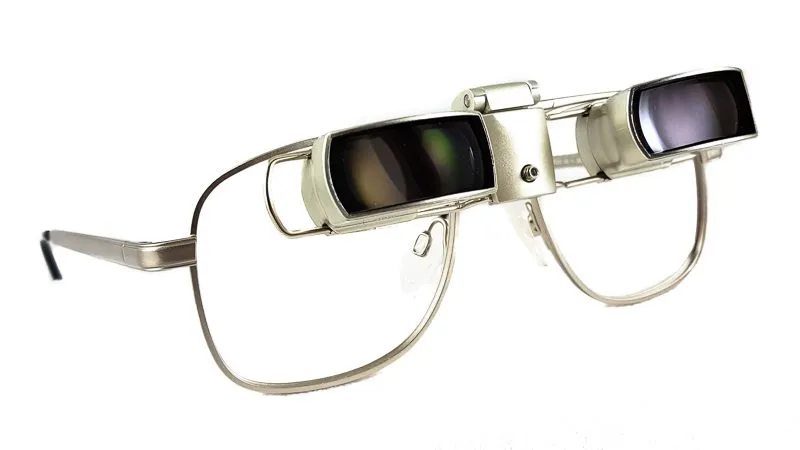

Eye diseases include cataracts, glaucoma and macular degeneration – these often manifest themselves without warning until it’s too late; so regular visits to your optometrist should be scheduled in order to stay in the know about potential issues that could develop in your vision.
Macular degeneration is a condition that destroys central vision. This happens when macula, part of retina on back of eye, degenerates. Over time this can lead to blindness.
1. Conjunctivitis (Pink Eye)
Conjunctivitis, more commonly referred to as pink eye, occurs when the clear mucous membrane that covers your white part and inner eyelid becomes infected by viruses, bacteria, allergies or chemical irritations – making it the most prevalent eye disease among children.
Pink eye symptoms in babies typically include a sticky discharge that causes their eyes to water, itch or feel gritty; depending on its source of infection, symptoms may range in severity from mild to severe.
Viral conjunctivitis tends to resolve on its own in 7-14 days. You can use over-the-counter eye drops for relief of pain and discomfort, while antibiotic ointments or drops prescribed by your physician should be used for bacterial conjunctivitis treatment. Children suffering from either form should stay home while sick with this condition in order to limit any chance of spreading it further.
2. Glaucoma
Glaucoma affects millions of people globally, leading to vision loss. It is an eye disease which attacks the optic nerve (a bundle of nerve fibers that connects eyes and brain) – usually associated with high intraocular pressure but sometimes occurring even at normal or even below average eye pressure levels.
Glaucoma typically evolves gradually, as fluid pressure in the eye rises slowly over time and damages optic nerve fibers. But in severe cases of acutely diagnosed glaucoma it can progress so rapidly as to cause blindness within months.
Glaucoma can be treated using medications like Latanoprost, Bimatoprost and Travoprost that decrease ocular pressure to reduce its severity. Other treatments for glaucoma include laser therapy and surgery.
3. Macular Degeneration
Macular degeneration is an eye disease characterized by the gradual deterioration of your macula, the center of which enables us to see fine details and straight ahead. Macular degeneration may make reading, driving a car and other activities that require good central vision more challenging; however, most people still retain peripheral or side vision which remains useful throughout.
Macular degeneration comes in two varieties, dry and wet. Wet macular degeneration (AMD) involves abnormal or leaking blood vessels beneath the retina that may be treated using painless laser technology to destroy these abnormal vessels and slow the progression of vision loss; it does not restore lost central vision however and this type of laser therapy should only be undertaken under close observation by an ophthalmologist.
4. Macular Neovascularization (MNV)
New research found that nonexudative macular neovascularization (MNV) lesions associated with age-related macular degeneration (ARMD) demonstrated sustained growth after initial treatment with anti-VEGF intravitreal injections as visualized by optical coherence tomography angiography (OCTA). Best-corrected visual acuity and central macular thickness (CMT) improved in some treated eyes while MNV reappeared, leading to patchy chorioretinal atrophy and worsening of BCVA.
ARMD is a progressive disease and patients with large drusen are at increased risk of progression to wet ARMD, which leads to fluid leakage, blood, Retinal Pigment Epithelium (RPE) changes, and retinal scarring. Regular fundus examinations should be performed to detect deterioration; early intervention is key in protecting vision. Eyecare providers should monitor individuals with shallow irregular RPE elevations on OCT images as these individuals have higher risks of exudative wet ARMD; such individuals should receive anti-VEGF treatment as soon as possible.
5. Macular Pucker
Scar tissue formation on the retina – the thin sheet in the back of your eye that provides central and detailed vision – causes wrinkles or puckering of macula, making it more difficult to see fine details and colors. Usually caused by retinal detachments or tears.
For diagnosis, your doctor will administer drops to dilate the pupil and examine its contents with a microscope. A computed tomography scan may also be necessary. If macular pucker is determined, surgery known as vitrectomy may be recommended to remove vitreous gel and scar tissue from your retina and improve vision; typically this helps patients see better and reduce symptoms.
6. Marfan Syndrome
Marfan syndrome is a genetic heritable disorder characterized by tall stature, elongated extremities, an eye lens dislocated (ectopia lentis) and dilatation of the aorta. People affected by Marfan syndrome also tend to be at an increased risk for developing glaucoma and early cataracts.
Marfan syndrome symptoms can range from mild to severe and typically become apparent during adulthood as opposed to childhood. Because Marfan affects multiple parts of the body, a comprehensive evaluation by doctors including cardiologists, ophthalmologists, and orthopedists must take place prior to making a diagnosis.
People living with Marfan syndrome should avoid sports or occupations that involve heavy weight lifting, rough physical contact or rapid atmospheric pressure changes (e.g. scuba diving). They should strive to maintain a healthy weight while refraining from smoking – striae (stretch marks) can appear on shoulders and hips of patients suffering from Marfan syndrome but this should not be taken as an indicator of any danger or illness.
7. Metamorphopsia
Metamorphopsia occurs when straight lines appear wavy. It is a symptom that is commonly observed with certain macular disorders, and thought to be caused by both retinal and cortical mechanisms; specifically neurons processing visual and proprioceptive input in the posterior parietal cortex perform multisensory integration of images – thus any lesion disrupting this circuit could produce changes in visual perception.
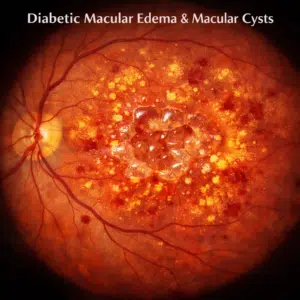
A 63-year-old woman presented with seven months of metamorphopsia and swirling pinwheel photopsias in both eyes. She had hypertension and rheumatoid arthritis, both controlled with benazepril and hydroxychloroquine (HCQ; Plaquenil). Dilated fundus examination revealed optic disc edema and peripapillary macular edema with hard exudates in the right eye, scarring, macular scarring with no evidence of vitreous hemorrrhage or retinal detachment; her metamorphopsia score improved significantly after she underwent PPV treatment for iFTMH.
8. Retinal Detachment
The retina is a thin layer of light-sensitive tissue lining the back wall of your eye similar to camera film, transforming light into electrical signals sent directly to the brain that allow for vision. When detachment occurs, vision loss occurs and should be treated immediately as this medical emergency could lead to irrevocable blindness.
Retinal detachment occurs when there is an opening in the retina that allows liquid vitreous to pass under it and accumulate, eventually separating it from its backing wall of the eye and leading to retinal separation from it. Symptoms include an ever-widening curtain or dense shadow moving across your vision.
Small retinal tears and detachments may be treated using laser photocoagulation or cryoretinopexy in an outpatient procedure; larger detachments usually require surgical repair with pneumatic retinopexy or scleral buckling surgery in a surgical center under general anesthesia.
9. Cryotherapy
Cryotherapy involves rapidly cooling tissue with liquid nitrogen to destroy abnormal cells and allow healthy skin cells to replace them, thus relieving symptoms from warts or other skin lesions.
Athleticians and others engaging in extreme temperatures will find this procedure useful to reduce inflammation caused by their activities and restore the body to normal temperature. In addition, it helps accelerate recovery from injuries by relieving muscle spasms and improving circulation.
Whole body cryotherapy (WBC) is an innovative cold therapy treatment which involves entering a chamber called a cryosauna and immersing yourself completely – from head to toe – in air with extremely low temperatures for two or three minutes, relaxing your entire body from neck to toes. Olympians recognize its benefits for maintaining peak performance of their bodies.
10. CT Scan
A CT (Computed Tomography) scan is a type of sophisticated X-ray device. This technology takes multiple pictures of the body, which are later combined by computers into one three dimensional picture of your organs.
Pituitary tumors (tumors in the gland near the optic chiasm) can rapidly expand and lead to vision loss, double vision and headaches. A CT scan can be used to diagnose such tumors.
Diabetic Retinopathy
This disease leads to the breakdown of small blood vessels located behind the eye, leading to blurred vision and leading to blindness among American adults. Its main causes are high blood sugar, smoking, high blood pressure, genetics and eye injuries – these conditions may all play a part. Prednisone can be used as treatment option.




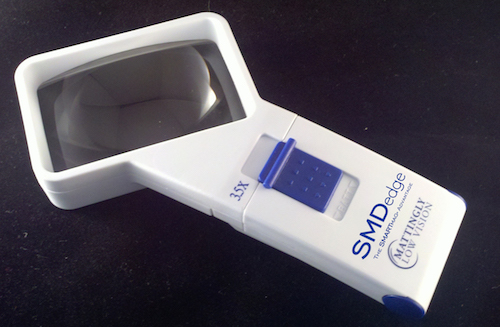


 Shop Best Low-Vision Aids with FREE Doctor Consultation.