Blood pressure considered low is usually defined as being consistently below 90/60 mm Hg, and doctors will often ask about any health conditions or medications which might contribute to it being that low.
Pressure fluctuations may damage retinal blood vessels over time and lead to vision loss; this condition is known as hypertensive retinopathy.
Symptoms
Blood pressure measures the force with which your blood pushes against the walls of your arteries, and when too little force pushes against them, oxygen-rich blood cannot get to your brain and other organs as needed – this condition is known as hypotension and it’s more common than you might realize. While many with low blood pressure have no noticeable symptoms at all, fainting can lead to serious injuries including injuries from falling when collapsed due to collapsing while fainting can also cause serious medical conditions like septic shock or heart attack among others.
Symptoms may include lightheadedness or dizziness when standing up from sitting or lying down, and eyesight changes due to inadequate blood flow to the brain resulting in blurry vision.
There are various forms of hypotension, with different varieties causing different symptoms like dizziness or fainting. Orthostatic hypotension occurs when changing body position causes a temporary drop in pressure that usually lasts only seconds or minutes and is compounded by dehydration, prolonged bed rest and certain medications. Another form is postprandial hypotension which occurs after eating when blood flow redirects towards digestion of foods like carbohydrates resulting in sudden drops in blood pressure or dizziness due to diversion into digestion organs – especially with large carbohydrate-heavy meals.
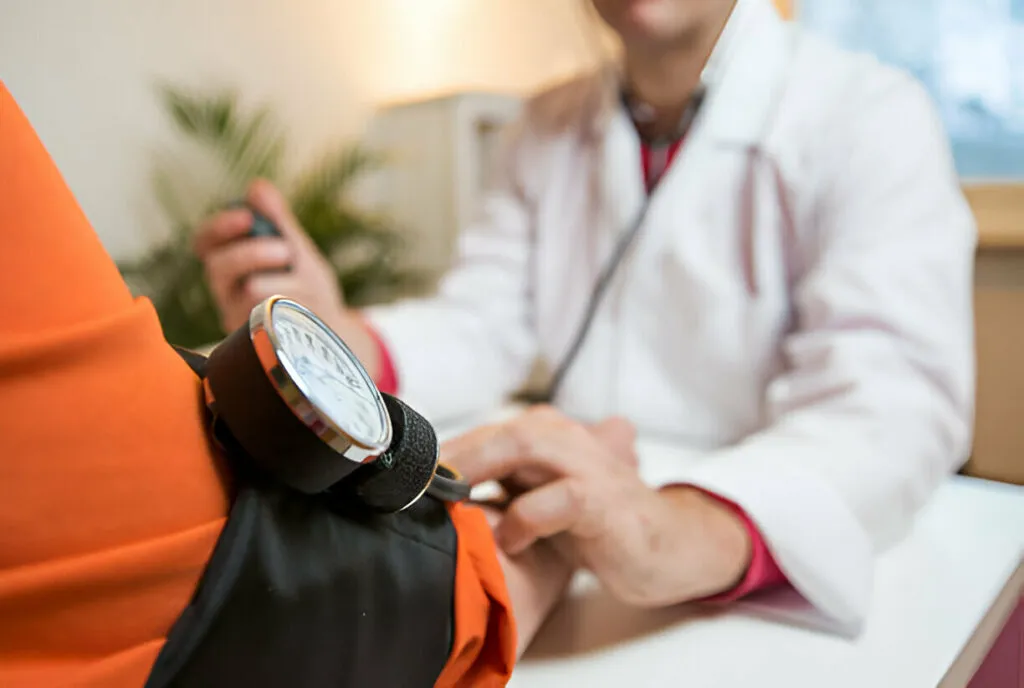
Diagnosing low blood pressure often starts with taking a reading with a sphygmomanometer, or blood-pressure cuff, either at your doctor’s office or home. He or she will review your medical history and ask about symptoms you are experiencing; also taking into consideration factors like your age, pregnancy status and any medications or supplements taken.
For severe cases of low blood pressure, doctors may use medications that increase your heart rate and narrow blood vessels in order to quickly raise it. Such medicines should only be taken under medical supervision due to potential serious side effects if taken at home; if diagnosed, your physician can also provide recommendations for lifestyle changes and safe medications to manage symptoms effectively.
Diagnosis
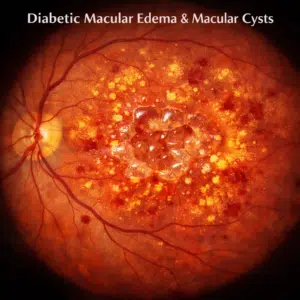
High blood pressure can lead to serious eye ailments, including glaucoma and diabetic retinopathy. Under these conditions, the eye’s blood vessels become narrow, cutting off blood flow to the retina and leading to vision problems. While eye doctors can sometimes detect such conditions during regular eye exams, for optimal health it’s wise to schedule at least one comprehensive eye exam each year with your physician.
An eye exam includes tests that can help pinpoint the source of low blood pressure. Your eye doctor will measure intraocular pressure (IOP), to see whether it has been elevated. This can detect signs of glaucoma or other eye diseases.
Eye doctors use an ophthalmoscope to inspect the back of your eyes. This instrument projects light into each eye to allow doctors to see its structures, such as blood vessels. They may use this instrument to look for signs of ocular hypertension such as narrowing retinal blood vessels and swelling optic disk (where optic nerve connects with eye).
Your doctor may want to perform bloodwork to assess how effectively your body is operating. He or she can examine your hemoglobin level, an indicator of iron content in your blood. Furthermore, kidney function checks provide insight into whether or not you’re effectively metabolizing nutrients into energy for metabolic use by the body.
Symptoms that cannot be managed with medication alone: diet and exercise plans to assist weight loss are also recommended by your physician, along with being sure all over-the-counter drugs take into consideration (i.e. medication that could potentially raise your blood pressure).
Hypertensive retinopathy treatment should aim at long-term blood pressure reduction; however, in emergency situations it’s also necessary to address immediate symptoms to protect vision and avoid other complications. Treatment generally includes taking various medicines like diuretics to help clear away excess fluid as well as antihypertensives to lower your blood pressure.
Treatment
Low blood pressure can bring on many symptoms depending on its underlying cause, from headaches and dizziness to heart rate drop and pressure increase. Medication may help treat low blood pressure; increasing sodium levels or narrowing vessels to increase the heart rate or increase pressure could all be options for managing it.
An abrupt reduction in blood pressure can have severe repercussions, including shock – depriving vital organs of their necessary oxygen and nutrients – potentially life threatening for older adults who may fall due to lightheadedness and fainting symptoms; falls may even result in fractured hips or spines which drastically lower quality of life for individuals affected.
Another complication of low blood pressure is glaucoma, an eye condition in which pressure builds inside the eye due to fluid not moving freely in front part of eye. If left untreated, glaucoma can quickly lead to blindness within years.
Some medications may also have an impact on blood pressure and eye health, including diuretics, alpha and beta blockers, some antidepressants and Parkinson’s disease medications. Septic shock may quickly decrease blood flow throughout the body leading to reduced pressure on its own.
Fludrocortisone and midodrine, two medications frequently used to treat low blood pressure, are both known for increasing sodium intake within the body, thus raising both systolic and diastolic blood pressure levels. Midodrine works by tightening muscles and restricting blood flow – helping elevate BP while relieving symptoms like dizziness. Severe cases of low blood pressure may require medication as well as additional measures, such as increasing salt intake, drinking plenty of water, or wearing compression stockings; taking these steps can both treat the root causes and thus further damages to eyesight or body parts such as retinas or blood vessels.
Prevention
Preventing low blood pressure is essential to safeguarding both vision and overall health. Physical activity helps strengthen the heart and increase circulation, decreasing the likelihood of sudden drops in your blood pressure upon standing up or sitting down. Simple strategies like crossing legs while sitting or rising slowly from chairs or beds may reduce pooling of blood in lower extremities that causes sudden drops when standing. Implementing such steps into daily routine, along with cutting salt intake and eating smaller meals throughout the day, can ensure healthy levels of low blood pressure as well as avoid more serious consequences associated with low blood pressure.
High blood pressure increases your risk for eye conditions like glaucoma, diabetic retinopathy and macular degeneration; so it is wise to monitor both regularly and maintain eye exams – particularly as you age.
The National Eye Institute offers many online resources that offer information on eye health and vision, such as their Diabetes & Your Eyes educational toolkit in English and Spanish, which features educator courses, factsheets and videos about its effects on eye health.
Other potential causes of low blood pressure may include inadequate hydration, which may reduce blood volume and thus lower pressure; health conditions like cardiovascular disease or thyroid disorders; and medications, including diuretics that lower sodium levels. Many of these issues can be avoided through lifestyle adjustments and medical guidance when altering or discontinuing medications prescribed to you.
Low blood pressure can have serious repercussions if left untreated, including shock. Shock occurs when reduced blood flow reduces oxygen and nutrients that feed organs such as the brain. Furthermore, dizziness or fainting spells may lead to falls with serious injuries and reduce independence significantly. It’s therefore vitally important that you follow your physician’s recommendations regarding diet, physical activity and medication usage as instructed.



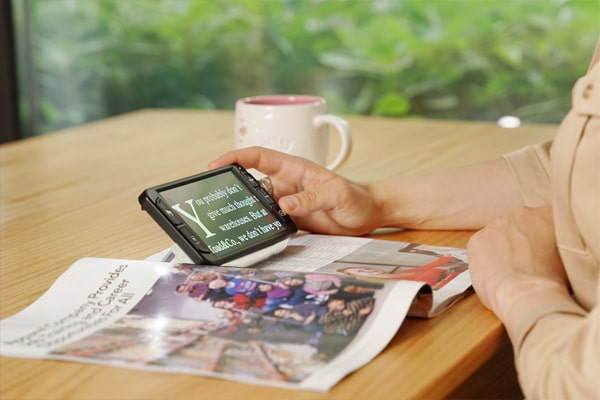
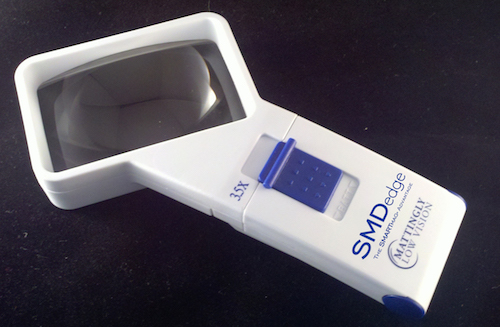
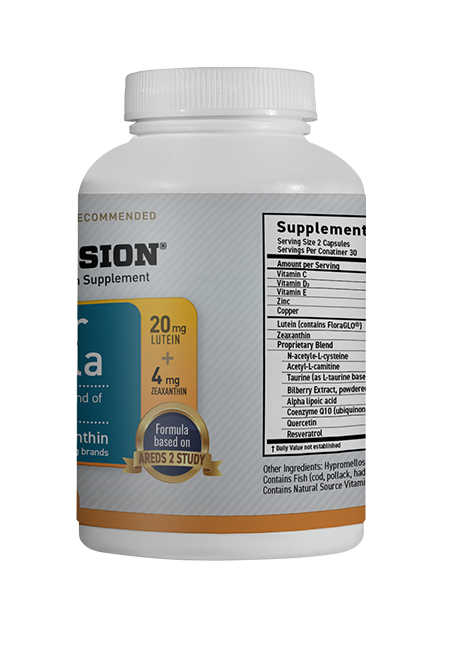
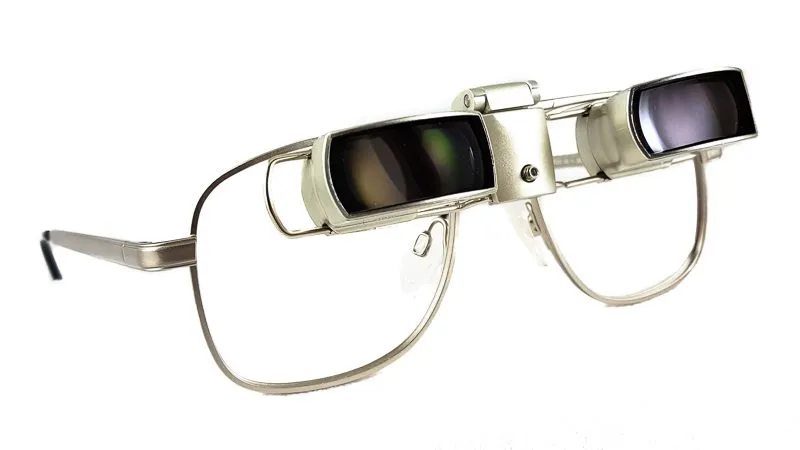
 Shop Best Low-Vision Aids with FREE Doctor Consultation.