

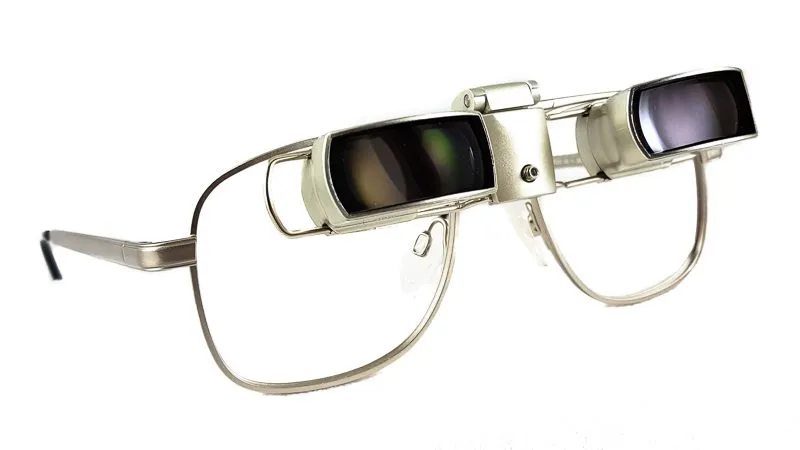

High blood pressure is detrimental to virtually all organs of the body and, over time, may cause changes to blood vessels in the retina (at the back of your eye) that lead to blurred vision.
Blurry vision may not always indicate an imminent health problem; nonetheless, it is vital to have your eyes regularly evaluated by an optometrist.
Causes
High blood pressure (hypertension) exerts pressure on the blood vessels that can damage different areas of the body, including eyes. Hypertension causes blood vessels in retina (thin layer of light-sensitive tissue that covers the back of eyeball) to constrict or even rupture, potentially leading to vision problems known as hypertensive retinopathy.
Retinal blood vessels are extremely sensitive to changes in blood pressure. If blood pressure remains elevated for extended periods, blood vessels in the retina can leak or burst, leading to fluid building up under it and leading to blurred vision or in extreme cases irreversible vision loss.
Hypertension can have adverse effects on the arteries that supply the optic nerve with blood, which transmits visual information to the brain. When these arteries become affected by high blood pressure, this may result in optic neuropathy – leading to blurred vision or even total blindness.
High blood pressure often results in gradual changes to vision that go undetected until damage has already occurred, and so it is crucial that blood pressure be tightly managed through diet, regular exercise, taking prescribed medication as instructed and visiting an eye doctor annually for an eye exam.
Symptoms of high blood pressure could include sudden vision changes; this could be an indicator of other serious medical conditions such as:
If you are pregnant and experiencing blurred vision, this could be an early warning sign of preeclampsia – a serious and life-threatening condition with symptoms including extreme high blood pressure and extra protein in urine. You should seek medical assistance immediately if this symptom presents itself.
Symptoms
High blood pressure (also known as hypertension) is often described as the “silent killer”, because many don’t notice symptoms until their blood pressure reaches dangerously high levels or causes complications – leading to serious health risks including heart disease, stroke and kidney disease.
Blurred vision can be one of the first telltale signs of high blood pressure, though it could also signal other conditions like migraines or diabetes. Blurry vision is often experienced during preeclampsia in pregnant women and should always be treated medically if this occurs. If blurred vision occurs after a stroke has taken place it should also be immediately reported and medical attention sought immediately.
High blood pressure can alter the size and shape of blood vessels in the eyes, which may result in blurry vision or even blindness. This condition is known as hypertensive retinopathy. Additionally, hypertensive retinopathy may damage the blood vessels that feed into the retina causing further blurriness or even blindness.
Hypertension symptoms include fatigue, headaches, dizziness and chest pains. Hypertension may also lead to fluid buildup in the lungs that leads to shortness of breath and constant pressure through damaged artery walls that may lead to bulging aneurysms forming on some arteries – these ruptured aneurysms may become life threatening if ruptured!
Blurry vision can occur as a result of eye injuries or infections such as conjunctivitis, uveitis or corneal ulcers. Some diseases also interfere with vision such as glaucoma and cataracts as well as multiple sclerosis and Parkinson’s disease.
A 57-year-old male with poorly controlled hypertension presented to the neuro-ophthalmology clinic with complaints of gradually worsening blurriness in both eyes which had started two months prior. He denied any associated pain, headache or other symptoms and did not wear contact lenses; his blood pressure (BP) was 219/132 while pulse rate was 77; this referral from his general ophthalmologist was intended to rule out adrenal pheochromocytoma; upon evaluation by our neuro-ophthalmologists we determined hypertensive Retinopathy which was treated using medications and his symptoms vanished altogether.
Diagnosis
High blood pressure can have detrimental effects on your eyes that result in blurred vision, damaged blood vessels in the retina, floaters (tiny specks that move across your vision) and headaches – the severity of these changes correlates directly with how effectively you control your blood pressure.
Most people do not experience symptoms in the early stages of high blood pressure, making regular checkups and an eye exam at least every two years essential to overall good health.
At its worst, high blood pressure can cause fluid accumulation in the lungs that causes shortness of breath and chest pain, in addition to damage to kidneys and heart that increases risk for stroke or other serious medical issues.
Blurred vision can be an early warning of stroke or another health condition, like preeclampsia – an even more dangerous pregnancy condition. If you notice sudden, painless changes to your eyesight, it is vitally important that you contact a physician immediately.
If your blurry vision is caused by a stroke, it is critical that you visit a neurologist as soon as possible in order to be assessed and treated with tissue plasminogen activator (tPA). Early diagnosis will lead to less damage being done by this illness. Blurry vision could also indicate migraine headaches or conditions affecting eye blood supply such as optic neuropathy.
Treatment
High blood pressure is a prevalent medical issue that can affect multiple organ systems in the body, including the heart, kidneys and eyes. Uncontrolled high blood pressure puts retinal blood vessels especially at risk of damage from unchecked pressure levels; blurry vision is an early symptom that may signal hypertensive retinopathy in some instances.
Blurry vision due to high blood pressure can be an indicator of other potentially serious medical conditions, so it is crucial that if you notice blurry vision coupled with other health concerns such as cardiovascular disease or diabetes you contact your physician as soon as possible.
Uncontrolled high blood pressure can damage the retina, the thin layer of tissue at the back of your eye which plays an essential role in vision. Damage to these blood vessels may lead to hypertensive retinopathy – a condition characterized by changes in small arteries that cause bleeding and fluid build-up in your eye, eventually leading to permanent vision loss.
High blood pressure can damage blood vessels in the choroid, the layer of tissue lying beneath the retina. Damaged vessels become leaky, leading to an accumulation of fluid under the retina that may distort or blur vision.
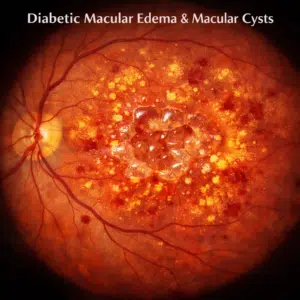
Macular Edema can occur as a result of this fluid build-up and should be taken seriously as it can lead to macular edema, which involves fluid-filled deposits in the center of retina that lead to loss of central vision. Treatment options for hypertensive retinopathy usually include medications and laser surgery – with laser surgery using light beams to open channels to drain off fluid from eye, which lowers blood pressure while protecting vision.
Blurry vision due to high blood pressure may also be an indicator of other conditions such as multiple sclerosis, which causes inflammation that damages the optic nerve, Parkinson’s disease (although usually not early symptoms of it), preeclampsia or other hormonal changes during pregnancy that impact vision – for instance.




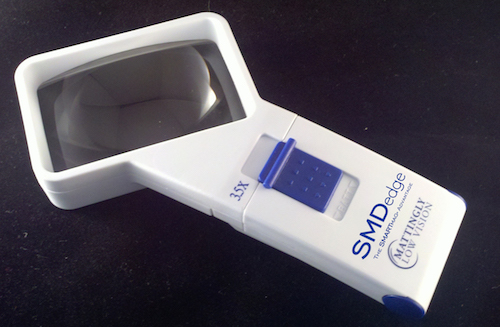
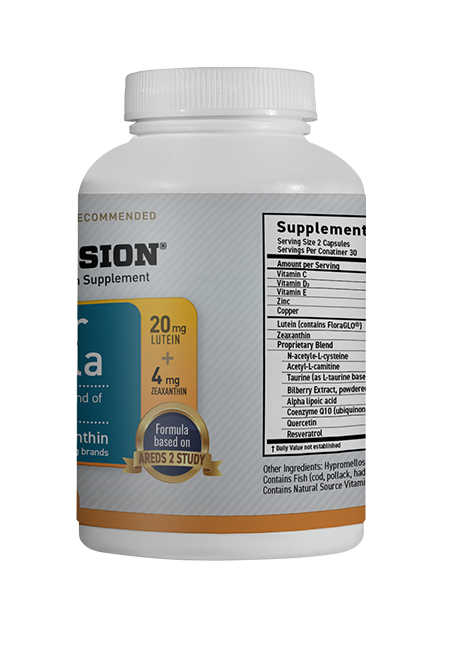

 Shop Best Low-Vision Aids with FREE Doctor Consultation.