


If eye spasms are accompanied by other symptoms, it is wise to get them checked out immediately. Eyelid myokymia may be indicative of neurological and brain disorders and should be assessed accordingly.
Receiving adequate sleep, decreasing caffeine consumption and managing stress can all help to alleviate twitching. More serious cases may require an MRI for diagnosis and potential treatment plans.
Causes
Eye twitching, commonly referred to as blepharospasm, can be caused by various sources. These could include stress and anxiety, taking too much caffeine or sleeping too little. Furthermore, it could be side-effect of certain medications or be the result of Tourette syndrome or Parkinson’s disease in addition to smoking or taking certain antibiotics that could also have side-effects causing eye twitching.
Eye twitching is usually harmless. Although it may cause some discomfort and cause pain, it’s unlikely to become life-threatening or cause any other serious issues. If eye twitching persists for longer than seven days or is accompanied by other symptoms, seek medical advice immediately.
If your twitching is caused by anxiety, it’s essential that you try to relax and lower stress levels. Meditation, yoga or reading a book may all help. Also avoid stimulants like caffeine or nicotine for maximum success in relaxing. Finally make sure you get sufficient rest, taking frequent breaks from computer screens and limiting bright lights exposure if applicable.
Another common source of eye twitching is dry eyes. This condition may occur as a result of spending too much time staring at a computer screen, having allergies or having medical conditions that prevent your body from producing enough tears to maintain moist eyes. Eye drops or other treatments to combat dry eye syndrome may help alleviate eye twitching symptoms and alleviate eye twitching altogether.
If your twitching is unrelated to any other physical or emotional factors, it could be indicative of a movement disorder. Movement disorders are characterized by involuntary spasms in different areas of the face that cause muscle spasms. They may cause other symptoms as well, including eyelid drooping and jawbone recession; triggers may include medications and diseases like Parkinson’s, but can also be early warning signals of other conditions like Heifacial Spasm and Huntington’s Disease.
Eye twitching may also be caused by inflammation of the middle layer of eye wall or by entropion – a condition in which eyelashes converge towards the interior of your lid, turning inward.
Symptoms
Eye twitching usually does not pose a direct threat to ocular or neurological health, but it’s important to recognize when this issue goes beyond being simply annoying and crosses into becoming something more serious. Seek medical assistance immediately if eye spasms last more than one week, are accompanied by redness or swelling around them, vision changes or other forms of facial or body twitching, such as difficulty opening your eyes.
Eyelid muscles often start twitching due to stress or fatigue, or from spending too much time using computers or digital devices for extended periods. Certain cardiovascular medications, antidepressants, and antibiotics may also have this side effect; in rare instances it could even be due to genetic conditions like Tourette syndrome or early Parkinson’s disease.
Rarely, it may be a precursor of an impending stroke. Other symptoms of stroke may include uncontrollable movements in other parts of your body, difficulty speaking and losing balance or dizziness.
Blepharospasm, or eyelid twitching, can be an uncomfortable condition to live with and can become more frequent over time. At first it may start slowly and mildly; eventually it can progress to more frequent and forceful blinking that can be aggravated by light exposure, fatigue, stress or anxiety, medications, bright light exposure or certain medications – it won’t go away anytime soon, but treatment might include medications and diet changes to manage symptoms better.
Apply warm compresses to the affected area to ease discomfort and decrease twitching, or you could limit its frequency by avoiding things that trigger spasms such as caffeine consumption or alcohol in excess, lack of sleep and stress. Meditation and relaxation training techniques may also be effective ways of strengthening coping mechanisms and teaching eyelid muscles how to relax more quickly.
Treatment
Eye twitching usually does not present a cause for alarm and generally resolves on its own; however, if eye twitching persists for more than several weeks or increases in frequency and intensity. Furthermore, people should seek medical help if other symptoms suggestive of neurological or eye conditions appear – including redness, irritation, swelling or any eye discharge; additional facial spasms (especially of lips); difficulty opening eyes and myokymia occurring with additional body parts unaffected by Myokymia.
Health care providers can conduct an in-depth assessment and offer appropriate treatments. Furthermore, they may conduct various tests to rule out any underlying conditions that may be contributing to eyelid twitching, such as blood work to check for deficiencies or imbalances, MRI/CT scans to examine brain/nerve tissue and other specialized assessments. If it turns out to be related to neurological issues such as epilepsy or other neurological conditions, medication could be prescribed by health care providers in order to address them and alleviate eyelid twitching symptoms.
If the twitching is caused by an eye condition, an ophthalmologist can offer effective treatments ranging from medications and eye drops to surgery – for instance if cataracts are to blame, cataract surgery will remove and replace their natural lens with one made out of plastic or silicon.
People can manage their symptoms without resorting to medication by reducing any triggers that exacerbate twitching, such as cutting back on caffeine and alcohol intake, getting adequate restful sleep and practicing stress reduction techniques. Furthermore, people should ensure their eyes remain well hydrated with lubricating eye drops used against dryness; additionally they can wear sunglasses to shield their eyes from too much light; any redness, pain or swelling in their eyes must be addressed promptly by medical practitioners.
Prevention
Twitching eyes can be highly irritating and difficult to stop, and could be caused by seasonal allergies, excessive alcohol consumption, eye strain from staring at computer screens for too long or stress. If this is what’s causing them, it is crucial that steps be taken to prevent further episodes.
Sharon suggests performing gentle eye massages, blinking often while watching screen time and visiting an optometrist to ensure your eyes remain healthy and properly hydrated. Sharon advises avoiding harsh cleaning products that could irritate eyes; in particular she advises speaking to medical professional if twitching persists over several weeks or is accompanied by red or swollen eyes as this could indicate benign essential blepharospasm, which is a neurologic condition which causes extreme eye discomfort as well as spasms.





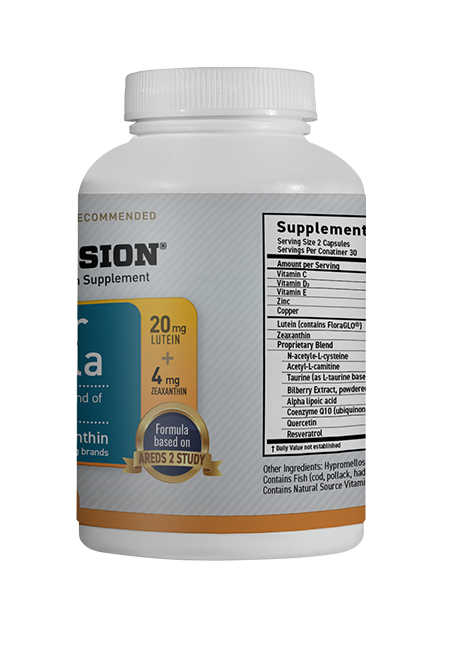

 Shop Best Low-Vision Aids with FREE Doctor Consultation.