
High blood pressure can impact all parts of the body, including the eyes. Sudden spikes in blood pressure may damage small blood vessels that provide nourishment to retina and cause vision issues.
Hypertensive Retinopathy should be considered a medical emergency and treated immediately.
Signs and Symptoms
Hypertension, commonly referred to as high blood pressure, poses serious health risks that include damage to the eyes. Uncontrolled hypertension can lead to conditions like hypertensive retinopathy which could result in blindness over time if untreated; individuals living with hypertension can mitigate risks by leading a healthy lifestyle and managing symptoms effectively.
High pressure causes changes to the walls of your blood vessels, altering their diameters. In particular, it can cause small blood vessels supplying the retina (the light-sensitive layer at the back of the eyeball) to bleed and thicken limiting how much blood can reach its target and leading to vision loss.
High blood pressure often results in bright red spots on the white part of the eye (the conjunctiva). These subconjunctival hemorrhages happen when tiny blood vessels within the clear surface break open and bleed; although alarming, these spots typically heal on their own in several weeks.
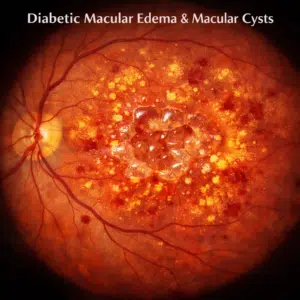
Retinal blood vessels are extremely responsive to changes in blood pressure. High blood pressure can narrow and restrict their bloodflow, leading to the retina to swell and vision loss. This condition is known as hypertensive retinopathy and ranges from mild to severe; Grades 1-4 include changes and leakage within retinal blood vessels as well as swelling around optic disk (where retina meets optic nerve) and macula (where macula meets optic disk).
Uncontrolled high blood pressure can also cause fluid leakage from the choroid (a layer beneath the retina), impairing central vision. Symptoms may include blurry central vision, distorted straight lines and faded colors; those at risk are at increased risk for central serous choroidopathy and should take steps such as diet changes, exercise regiments, weight reduction programs or medications while visiting their healthcare provider regularly for assessments.
Diagnosis
High blood pressure can damage the small blood vessels that supply the retina (the light-sensitive layer at the back of your eyeball with oxygen and nutrients) with blood, narrowing them and leading to some areas of the retina swelling up. Blood can leak into the retina and obscure vision. This condition, called hypertensive retinopathy, can result in vision loss or blindness if unchecked by an eye doctor who will conduct an eye exam to look out for signs of ocular hypertension. He or she will use an ophthalmoscope, a special instrument used to project light onto eyeballs and measure intraocular pressure (IOP), which increases with nearsightedness. Nearsighted individuals are at greater risk for ocular hypertension; therefore it’s wise to visit your eye doctor regularly in order to have your IOP measured and evaluated.
Scleritis is a painful eye condition in which the sclera becomes red and inflamed, typically from infection or connective tissue diseases like rheumatoid arthritis or Wegener’s granulomatosis; or infectious diseases like tuberculosis and Lyme disease.
The primary symptom of this disorder is severe, dull eye pain that radiates to the forehead and head, often accompanied by a dull headache that keeps you up at night. Sometimes there may also be loss of peripheral vision; worsened when exposed to bright light or touching its surface; your eye doctor will examine both eyes thoroughly as well as perform an MRI of your brain, orbits, and sinuses to identify potential sources.
Dacryocystitis, also known as lacrimal sac infection, typically results from obstruction of the nasolacrimal duct. Staphylococci and streptococci species typically cause this infection, while symptoms often include eyelid irritations with tears leaking and discharge from their eyelid. On examination there may be red, tender edema over the medial aspect of lower eyelid as well as puntum swelling; oral cephalexin, amoxicillin/clavunalate or ciprofloxacin may provide relief; occasionally surgical solutions may need to clear obstruction from within.
Treatment
Hypertension can damage small blood vessels in the retina (the light-sensitive layer at the back of your eyeball), causing them to expand and leak, potentially leading to vision loss. Rapid laser surgery or medication can clear away obstructions, lower eye pressure and preserve vision – this condition is known as hypertensive retinopathy and increases risk for people who smoke, have diabetes or are significantly nearsighted – people over 40 with nearsightedness as a risk.
If you suffer from open-angle glaucoma, which is the most prevalent form of this condition, your eye doctor will likely prescribe eye drops to help lower intraocular pressure. If the issue lies with insufficient fluid drainage from the eye, laser surgery called laser trabeculoplasty may also be advised as part of treatment plan. Laser trabeculoplasty typically occurs within your doctor’s office using numbing drops prior to laser beam directed towards inside surface of eye using special lens that directs laser beam toward an opening in iris that creates hole in iris which allows fluid drainage channels that help drain fluid out. You may experience inflammation post procedure but this can be treated effectively by medicated eye drops prescribed aftercare treatment plan.
Call your eye doctor immediately if you experience sudden discomfort, blurred vision with red eyes or sudden pain in either of your eyes. He or she will perform an examination known as tonometry for proper diagnosis of eye pressure rise – any increase is medical emergency needing urgent treatment, otherwise blindness could ensue.
In severe cases of high blood pressure, laser surgery may be used as an effective preventative measure against permanent vision loss. Your eye doctor will administer numbing drops before using a laser beam to burn edges of blood vessels in your retina that leak blood – this stops any further bleeding while helping closed blood vessels close off completely.
As part of their treatment for ocular hypertension, beta blockers can be prescribed. These medicines reduce eye fluid production, thus decreasing pressure. Unfortunately, side effects include wheezing or difficulty breathing, slow heart rate, impotence or wheezing/difficulty breathing and impotence. Carbonic anhydrase inhibitors – prescription eye drops used to lower pressure through optimizing drainage system – also can help lower eye pressure; they have associated risks including dry mouth, itchy red eyes or tired eyes as side effects.
Prevention
Untreated high blood pressure can cause changes to eye blood vessels that affect the light-sensitive macula at the back of retina. When these blood vessels swell and leak fluid, it could blur your vision – this condition is known as hypertensive retinopathy and it occurs most commonly among smokers or those over 40 with diabetes, although even those without high blood pressure could potentially develop hypertensive retinopathy as well as related conditions such as glaucoma or diabetic retinopathy. Reducing blood pressure may help avoid hypertensive retinopathy altogether!



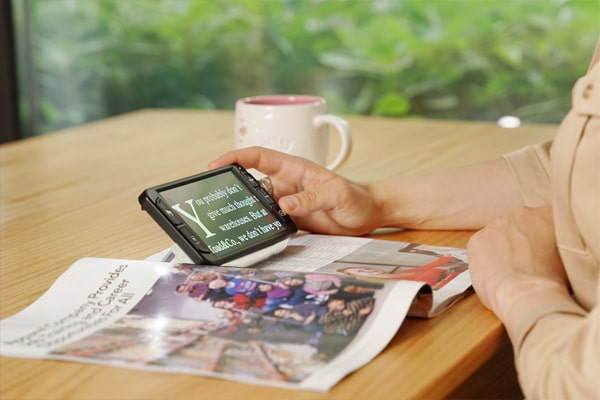
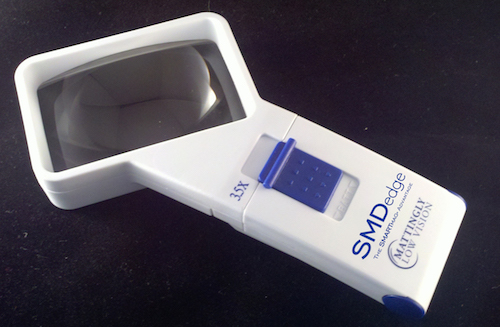
 Shop Best Low-Vision Aids with FREE Doctor Consultation.