Your eyes provide a window into your overall health. They are particularly beneficial in detecting early symptoms of disease, including cancer and macular degeneration that could eventually lead to blindness.
Changes in your eyes may be a telltale sign of disease, so regular comprehensive eye exams with dilation are vitally important.
Diabetes-related Retinopathy
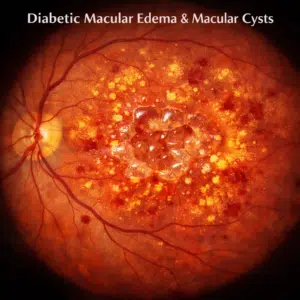
Diabetes damages blood vessels in the retina, the light-sensitive layer at the back of your eye that transmits images to the brain for interpretation. High blood sugar levels damage these blood vessels, causing them to swell or leak fluid and even form new abnormal blood vessels – leading to blindness among American adults, with potentially severe vision loss possible if caught early enough and treated accordingly. Annual dilated eye exams and prescribed treatments usually help slow this progression down significantly.
People living with both types 1 and type 2 diabetes are at an increased risk for diabetic retinopathy, although type 1 diabetics tend to be at greater risk than their counterparts in terms of developing it. Symptoms may include blurriness in the distance, floaters and sometimes sudden loss of vision – thus making regular eye exams essential and reporting any changes to vision to a physician immediately.
Diabetic retinopathy is typically diagnosed by having a comprehensive eye exam performed under dilation. Your eye doctor will thoroughly inspect your retina, using fluorescein angiography if necessary to detect leakage or abnormal new blood vessels. Later stage diabetic retinopathy patients may require laser treatments in order to either stop vision from worsening further, or even improve it; laser beams burn areas on your retina where blood vessels leak fluid or blood while medication injections may also be required into vitreous fluid.
Recent research has demonstrated that long-term hyperglycemia leads to inflammation by activating an eye protein known as the NLRP3 inflammasome, leading to leaky blood vessels and subsequent inflammation. If these inflamed vessels bleed into the clear jelly-like fluid that fills your eye (vitreous hemorrhage), they could prevent light from reaching your retina and result in serious vision loss.
There are various strategies you can employ to protect against diabetic retinopathy, including keeping your blood sugar at an ideal level, maintaining healthy weight, and not smoking. Furthermore, regular dilated eye exams and adhering to your doctor’s treatment plan should help.
Age-related Macular Degeneration
Age-related macular degeneration (AMD), is a chronic eye disease that damages the macula of your retina – responsible for central vision which allows us to read, drive and see fine details clearly. AMD may lead to blurry or distorted central vision but peripheral (side) vision usually remains clear. AMD is the leading cause of blindness among adults aged 50 or above.
Macular degeneration comes in two varieties – dry and wet. While most patients suffer from the dry form, wet macular degeneration is less prevalent but can result in rapid vision loss due to abnormal blood vessels forming underneath the retina and leaking fluid or bleeding into the macula. With treatments now available to slow or prevent vision loss in wet AMD cases.
macular degeneration symptoms include gradual vision loss, distortion of straight lines and an opaque or blank spot in the center of visual field. A regular dilated eye exam is the best way to detect early stages of AMD.
The published prevalence rate for AMD from population studies using examination-based examination methods varies substantially due to differences in methodology, definition of disease and population studied; as well as possibly differing degrees of follow-up or reporting bias.
If you are at risk for macular degeneration, an annual dilated exam is especially crucial; early detection can help stop its progress into wet AMD. Aside from comprehensive eye exams and tests such as an OCT scan and fluorescein angiography, additional diagnostic methods such as OCT scanning or fluorescein angiogram may also prove helpful in early spotting any changes in retina that indicate wet macular degeneration so injection therapy with anti-VEGF medication may begin before progressing to its currently untreatable foveal exudative stage; regular follow up visits, vitamin therapy or lifestyle optimization should also help ensure vision preservation if there is family history associated with macular degeneration.
Cancer
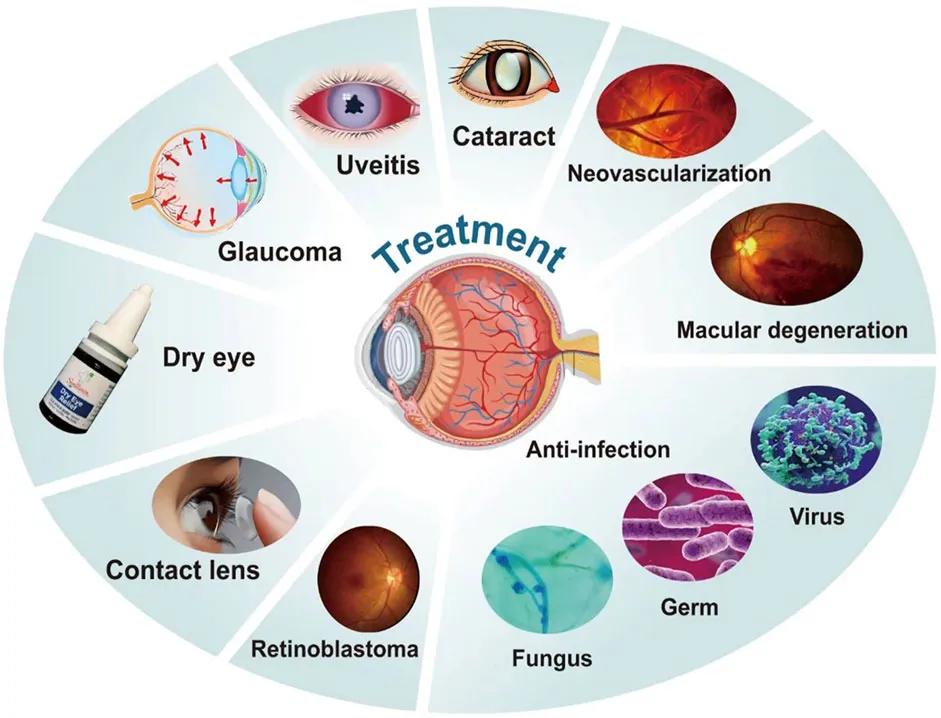
The eye is an intricate organ composed of several components. We rely on its clear lens for near and far object focusing, as well as supporting structures behind it, for proper functioning. Some diseases may impact one or more parts of this system – from minor eye infections like pink eye to more serious conditions that lead to blindness such as glaucoma and macular degeneration.
Conjunctivitis, or inflammation or infection of the clear tissue that covers both outer eyelid and inner surface of eyeball, known as conjunctiva, can be caused by either bacteria or viruses and can result in itching, watery eyes, redness, crusty discharge from eyes and crusting around eyelashes. Most often it can be treated using antibiotic drops or ointments prescribed by your physician; in severe cases however it may require careful removal with warm wet compresses.
Styes are small bumps found on the inside of eyelids caused by an infection of an oil gland at the base of an eyelash, often appearing like tiny, raised pimples that are painful, tender, reddened and have pustules at their bases. Most often viral or bacterial infections cause these eyelid infections; antibiotic drops and ointments along with warm compresses should suffice in most cases; in rare instances if one does not rupture on its own surgery may be required to drain it away.
As part of an eyeball’s anatomy, its cornea covers its front. If a weakness exists on this layer of eye tissue, focusing on near or distant objects becomes challenging when wearing glasses or contact lenses; this condition is known as Keratoconus.
At 12 days old, Bryan Shaw’s son Noah developed a blemish on his left eyelid that turned out to be retinoblastoma skin cancer – ultimately taking his sight and life. To help prevent further loss of vision and potential blindness for other babies, Shaw and Baylor computer science professor Greg Hamerly developed software called CRADLE (Computer Assisted Retinoblastoma Diagnosis), an app which scans baby photos for signs of this disease and could save many children from blindness or even blindness altogether.
Glaucoma
Glaucoma is an eye disease that leads to gradual peripheral vision loss. It occurs when fluid draining out of the eye becomes blocked or restricted and eye pressure rises causing optic nerve fibers, which send signals from your eyeballs back to your brain that enable sight, to become damaged by increased eye pressure.
Glaucoma comes in various forms; primary open-angle glaucoma (POAG), the most prevalent variety, typically develops slowly as people age and doesn’t usually cause symptoms at first. Over time however, with increased eye pressure levels the optic nerve becomes damaged and peripheral (side) vision decreases; leaving this untreated could eventually lead to blindness.
An acute angle-closure glaucoma, less prevalent than open-angle glaucoma, occurs when the iris comes too close to blocking off its drainage angle in the eye, similar to how sink drain covers work. This type of glaucoma can be very painful and even life-threatening without immediate treatment, causing blurry vision, rainbow halos around lights, tunnel vision, intense eye pain, nausea/vomiting and feeling of pressure in your head.
Glaucoma cannot be prevented, but regular eye exams can detect its early stages and lower your risk of vision loss. Anyone aged 40 or over, as well as those over age 50 with a family history of glaucoma should receive at least one eye exam every five years; those in high-risk groups such as those over age 50 with a family history should undergo one every two years; screening should occur more frequently for diabetics, those over 50 and those of African-American and Hispanic descent with known family histories of glaucoma as this allows early identification of signs of blindness before it causes blindness or blindness has set in and treatment may take place before blindness occurs and could save lives!




 Shop Best Low-Vision Aids with FREE Doctor Consultation.