


Cataract surgery replaces your eye’s cloudy lens with an artificial one in an outpatient process that generally lasts less than an hour and is generally painless.
Doctors use drops to dilate and numb the eye before creating a small opening in the cornea and using ultrasound energy to break apart a cataract into pieces, which are then suctioned out through this opening and removed without leaving a wound behind.
Restrictions before surgery
Cataract surgery is generally safe when performed by an experienced ophthalmologist; however, the risk increases with certain eye diseases or medical conditions.
Prior to cataract surgery, patients should undergo extensive screening for eye disease and medical conditions. An ophthalmologist should review their medical history and conduct an eye exam that assesses cornea, lens and retina health as well as discuss any medications or supplements the patient takes – this helps the doctor decide if cataract surgery is the appropriate course of treatment for them.
On the day of surgery, the surgeon will administer eye drops to numb the eye surface and mild sedation in order to ensure maximum comfort during the surgical process. Once comfortable and pain-free, he or she will then create a small opening in the cornea (capsulotomy) using ultrasound energy to break apart natural lenses into smaller pieces that can easily be extracted and replaced with artificial intraocular lenses – typically without needing stitches!
An essential aspect of cataract surgery is selecting an intraocular lens suitable to each individual patient’s age, health and lifestyle. Surgeons will select their lens accordingly.
Before surgery, patients will undergo a series of painless tests to assess the size and shape of their cornea, helping the surgeon select an intraocular lens suitable for improving vision by focusing light onto the back of their eye. Once in place, this permanent lens requires no maintenance.
Surgeons will also conduct tests to measure corneal thickness. This helps ensure that any artificial lens fits appropriately in their eye. Once surgery has concluded, patients are brought back for recovery period where they should refrain from touching or rubbing their eyes during this time period.
Restrictions after surgery
Cataract surgery is an increasingly common outpatient procedure and an effective means of improving vision. Though safe and effective, cataract surgery may result in temporary discomfort or side effects like gritty sensation in the eye or dry eyes; these typically resolve themselves within weeks with proper observance and care.
Under cataract surgery, an eye doctor will remove and replace your cloudy lens with an artificial clear lens, depending on your visual goals and needs. Common types include intraocular lens implants (IOLs).
Cataract removal procedures typically take only minutes. First, eye drops are used to dilate pupils; then a small incision is created in order to access the lens capsule; finally, cloudy lenses are removed using either phacoemulsification (making an incision into its center) or by breaking apart natural lenses with ultrasound vibrations (extracapsular cataract extraction). Once this process is over, corneal wounds automatically close without stitches being needed.
After cataract surgery, your vision may initially appear blurry for several days afterward; then gradually improve over time. You should avoid rubbing your eye to reduce irritation and dryness caused by rubbing; additionally it is vitally important that you adhere to post-surgery instructions from your eye doctor such as eye drop usage guidelines, follow-up appointments and activity restrictions.
Alcohol and cigarettes should also be avoided to lower your risk of cataract formation, so it’s advisable to discuss your smoking/drinking habits with an eye doctor prior to having cataract surgery.
As part of your eye care routine, it is also important to be aware of other health conditions that could impede on your eyesight, such as poor dilation, pseudoexfoliation glaucoma and history of ocular trauma. Also inform your ophthalmologist of all medications taken, both prescribed and over-the-counter drugs.
Restrictions during recovery
Cataract surgery is an efficient and safe procedure performed under local anesthesia by experienced eye doctors. After making a small incision on the surface of the eye, an intraocular lens (IOL) will be implanted by the doctor to restore vision by allowing light to pass through its lens to reach retina.
Most cataract patients report minimal pain or discomfort after their procedure, allowing them to return to their daily activities quickly, including those previously prohibited due to poor cataract vision. It’s important, though, that they follow any instructions provided by their ophthalmologist regarding recovery.
During your recovery period, it’s essential that you avoid activities that could harm the eye. Avoid rubbing or pressing directly onto it, sleeping with your head directly on it and lifting heavy objects for at least the first two days; heavy lifting and bending over should also be avoided during this time. Your ophthalmologist may prescribe various medications as part of the plan.
To protect the eyes during recovery, it is advisable to wear an eye patch or shield during sleeping and bathing, preservative-free artificial tears may provide soothing comfort, and precaution should be taken not to splash water or shampoo into them.
Soon after your surgery is completed, you can return to your daily activities, but be sure to abide by the advice of your ophthalmologist. Otherwise, complications such as vision loss, hemorrhage, infection or corneal clouding or cystoid macular edema could arise.
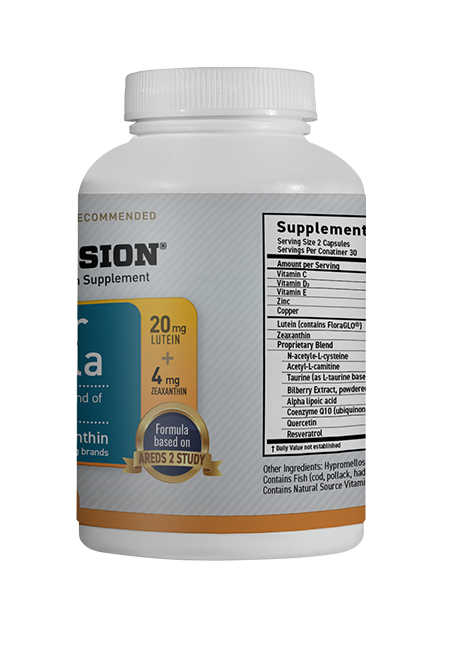
As part of your recovery from cataract surgery, it’s also important to focus on staying hydrated and eating nutritious food. Seeking advice from health professionals regarding any dietary supplements might also help speed your healing. These nutrients could improve both your overall health as well as speed recovery time after cataract surgery.
Cataracts are an increasingly prevalent condition that can result in significant vision loss over time. If you notice symptoms of cataracts like blurred or distorted vision, such as blurring and distortion, schedule a comprehensive eye exam to assess if surgery could help eliminate your cataracts for good – today’s innovative techniques provide ways of treating cataracts without needing bulky glasses or cumbersome contact lenses.
Restrictions during the first week
Within the first week following cataract surgery, it is vitally important to follow post-surgery care instructions strictly. This will ensure the healing process proceeds smoothly and effectively; proper hydration, nutritious diet choices and dietary supplements all promote optimal healing after cataract surgery.
Patients should refrain from strenuous activities such as sports or heavy lifting for at least one week following surgery, including sports such as golf. Furthermore, they should avoid rubbing their eye or applying pressure to it and being exposed to bright lights or strong glares for that same duration. If necessary, friends or family can assist with house chores to alleviate any restrictions placed upon them.
Surgery itself typically is painless and relatively quick. Your surgeon will create a small incision in the cornea, insert an intraocular lens (IOL), and replace your natural lens. IOLs provide artificial lenses which reduce or even eliminate glasses after cataract surgery – some even provide extra benefits like eliminating reading glasses altogether!
After the procedure is completed, the doctor will carefully observe their patient in a recovery area to make sure their eye remains free from complications and stable. At this point, driving or engaging in any strenuous activities are off-limits during this time; shields may also be recommended during sleep to protect from accidental rubbing or pressure on their eye, as well as eye drops to aid healing and manage eye pressure.
Cataract surgery can be an excellent solution for people struggling to function due to vision problems. However, it should be understood that cataract surgery will only restore one’s vision to what was possible before their cataract formed – so prior to scheduling any procedures it is crucial that this issue is discussed with an eye care provider.
Attributable to ageing, cataracts can often result in blurry or clouded eyesight. Other potential causes may include trauma to the eye, medications taken for systemic conditions like diabetes or genetic factors. When considering cataract surgery it is vital to consult an experienced ophthalmology surgeon about your options.






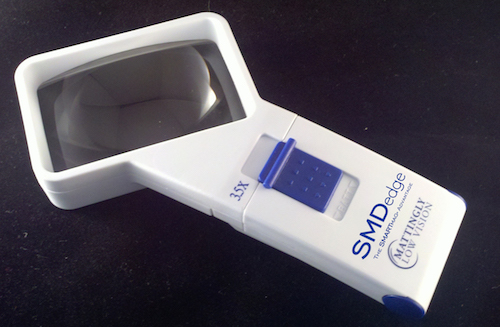

 Shop Best Low-Vision Aids with FREE Doctor Consultation.