When patients visit the clinic, one question comes up again and again: “What should I eat to protect my eyes?” The worry about losing vision as you age is real and common. Here’s the good news: you have more control than you think.
What you eat directly affects your vision. Research shows that the right nutrition can reduce age-related macular degeneration (AMD) risk by up to 41% and lower cataract risk by about 25%. Healthy eating is one of the easiest ways to care for your eyes every day. No complicated diets needed, just smart, consistent choices.
This guide covers:
- The best supplements for eye health
- Foods that support your vision
- Key vitamins and how they work
- Which foods have essential nutrients
- Simple ways to add them to your meals
The goal is to help you see food and the best eye food supplement as a powerful tool for long-term eye health.
Why Nutrition Matters for Eye Health?
- How Eyes Become Vulnerable?
Your eyes work constantly. These small, delicate organs face daily exposure to light, oxygen, screens, and environmental stress. Think of them like a camera; they need clean lenses, strong wiring, and steady energy. Without the right nutrients, the system breaks down.
Key vulnerability factors:
- Light exposure creates free radicals that damage cells
- The retina uses more oxygen than almost any other tissue
- Inflammation and oxidative stress speed up aging
- Poor nutrition accelerates degeneration
- How Nutrition Protects Your Eyes
Food provides the building blocks your eyes need. The right nutrients can:
- Reduce oxidative stress
- Strengthen the macula
- Support night vision
- Improve tear quality
- Lower risk of AMD, cataracts, dry eye, and diabetic eye disease
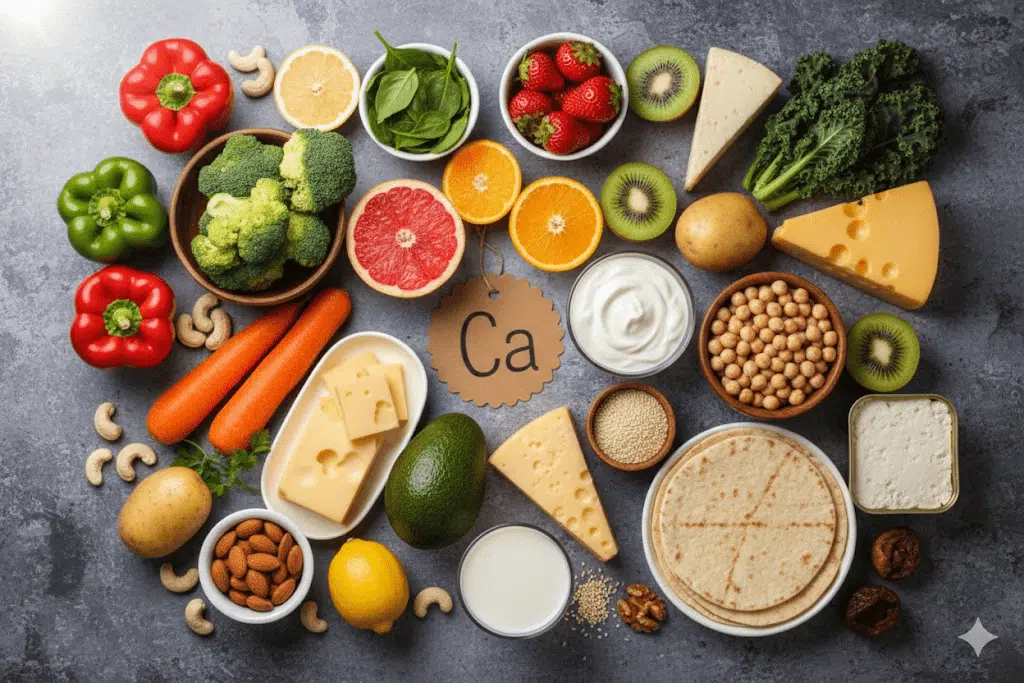
A diet rich in leafy greens, colorful fruits, omega-3 fish, nuts, and seeds has shown real benefits in study after study, especially when paired with the best eye food supplement. It is very important to find truly organic food that hasn’t been sprayed with harmful pesticides. These chemicals contain heavy metals and are very toxic to the retina.

Essential Nutrients for Eye Health
1. Lutein & Zeaxanthin: The Macular Protectors
These are the main pigments in your macula responsible for sharp central vision. They filter blue light and work as antioxidants, making them among the best foods for eye health when included regularly in your diet.
What they do:
- Only two carotenoids that concentrate in the eye’s macula
- Build and maintain macular pigment, protecting central vision
- Filter high-energy blue light, reducing retinal stress
- Act as strong antioxidants against cell damage
- Absorb up to 90% of harmful blue light
Why your eyes need them:
- Protect retinal cells from damage
- May reduce AMD risk by about 26%
- Support contrast and color vision
- Help slow cataract formation
Best food sources (per serving): These options are highly regarded as nutritious food for eyes, providing essential carotenoids.
- Kale (cooked) – 23.7 mg per cup
- Spinach (cooked) – 20.4 mg per cup
- Collard greens – 14.6 mg per cup
- Turnip greens – 12.2 mg per cup
- Swiss chard – 6.5 mg per cup
- Egg yolk – a small amount but highly absorbable, making it a simple and effective best food for eyes option
Daily goal: 6–10 mg from greens
Absorption tip: These nutrients absorb better with healthy fats. Add olive oil or avocado to your meals. Avoid PUFS or poly unsaturated fats at all costs, they are omega 6 fatty acids and contribute heavily to the oxidative process.
2. Omega-3 Fatty Acids: The Eye Structure Builders
DHA, a type of omega-3, makes up a major part of retinal cells. It keeps cell membranes flexible and supports tear quality.
What DHA does:
- Makes up nearly 60% of photoreceptor outer segments in the retina
- Maintains healthy cell membrane structure
- Reduces inflammation in the tear glands and retinal tissue
- Supports meibomian gland function for better tear stability
Benefits:
- Improves dry eyes by enhancing the tear oil layer
- May lower AMD risk by up to 30%
- Supports retinal function and cell health
- Good for eye strain from screens
Best food sources:
- Salmon – 1200+ mg per serving, a powerful food beneficial for eyes due to its rich omega-3 content.
- Mackerel – very high omega-3
- Sardines – affordable and low mercury
- Herring, anchovies, tuna
- Plant forms: chia, flaxseed, walnuts
How much: 2–3 servings of fatty fish per week
Absorption tip: Ground flaxseed absorbs better than whole seeds and offers valuable food for eyesight improvement through plant-based omega-3s
3. Vitamin A & Beta-Carotene: The Night Vision Vitamin
Vitamin A helps your eyes adjust in low light and keeps the cornea clear.
What it does:
- Essential for rhodopsin, the visual pigment in rod cells
- Enables vision in low-light and night conditions
- Maintains a healthy corneal surface
- Supports conjunctival health and tear production
Why your eyes need it:
- Deficiency causes night blindness
- Maintains a clear, healthy cornea
- Prevents dry eye and severe dryness
- Supports tear film integrity
Top foods:
- Beef liver (very high)
- Cod liver oil
- Egg yolks, salmon, dairy
- Sweet potatoes, carrots, pumpkin, and mango for beta-carotene, all excellent foods that improve vision naturally
Tip: Eat colorful, orange vegetables often.
Caution: Very high supplement doses aren’t needed unless a doctor recommends.
4. Vitamin C: The Lens Protector
Vitamin C is a powerful antioxidant found in eye fluids and is one of the essential vitamins good for eye health.
What it does:
- Highly concentrated in aqueous humor (fluid in front of the lens)
- Acts as a water-soluble antioxidant, neutralizing free radicals
- Supports collagen synthesis for cornea, sclera, and connective tissues
- Protects eye structures from UV-induced oxidative damage
- Maintains healthy blood vessel function
Why your eyes need it:
- May lower cataract risk by 25–30%
- Helps slow AMD progression
- Supports corneal repair after injury or surgery and works alongside other vitamins good for eye health to maintain healing
- Maintains retinal blood vessel integrity
Rich sources:
- Red bell peppers
- Citrus fruits
- Kiwi, strawberries
- Broccoli and kale
Tip: Fresh and raw forms preserve more vitamin C.
5. Vitamin E: The Cell Shield
Vitamin E protects healthy fats inside eye cells from damage.
What it does:
- Acts as a fat-soluble antioxidant, shielding cell membranes
- Protects essential fatty acids in the retina, including DHA, which makes omega-rich foods some of the best food for eyes.
- Works with Vitamin C and selenium for stronger defense
- Prevents lipid peroxidation, reducing oxidative damage
Why your eyes need it:
- Helps slow AMD progression
- May reduce cataract risk with adequate intake
- Protects photoreceptor cell membranes
- Supports retinal structural integrity
Best foods:
- Almonds
- Sunflower seeds
- Avocado
- Hazelnuts, peanut butter, and olive oil, all excellent foods that support eye health when included in daily meals.
Daily habit: A handful of nuts is a simple routine.
6. Zinc: The Transport Helper
What it does:
- Helps transport vitamin A from the liver to the retina
- Needed for melanin production, which protects the eye
- Supports enzymatic activity in retinal cells
- Plays a role in night vision and color perception
Why your eyes need it:
- Deficiency linked to poor night vision and higher cataract risk
- Crucial for vitamin A absorption
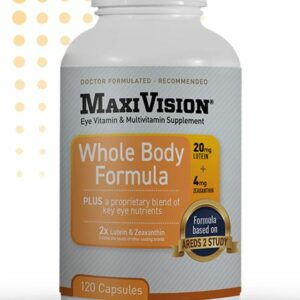
- Included in AREDS formulations to slow AMD progression
- Maintains retinal structure and cell integrity, which is supported by foods that improve vision.
Foods rich in zinc:
- Oysters (very high)
- Beef, pork, chicken
- Chickpeas, beans, pumpkin seeds
Note: Vegetarians may need slightly higher intake due to lower absorption.
Powerful Plant Compounds
1)Anthocyanins (Berries)
What they are: Natural pigments that give berries their rich blue-purple-red color.
Benefits for eyes:
- Strengthen tiny capillaries and vessels in the retina
- Support night vision and dark adaptation
- Reduce oxidative stress and inflammation
- Promote healthy blood flow to the eyes
Sources: Blueberries, blackberries, cherries, and grapes are powerful food for eyesight improvement due to their anthocyanins.
British RAF pilots in WWII reportedly ate bilberry jam to improve night vision. While the story’s accuracy is debated, research confirms that anthocyanins do improve visual adaptation in low light. I have had many patients confirm that taking a bilberry supplement made a big difference for them at night.
2)Flavonoids (Tea, Citrus)
What they are: Plant-based antioxidants found in tea, fruits, cocoa, and vegetables.
Benefits for eyes:
- Support retinal ganglion cell function
- May help lower glaucoma risk through neuroprotection
- Protect eyes from oxidative damage
- Promote healthy blood vessels
Research spotlight: A large study found that people who drank hot caffeinated tea daily had a 74% lower risk of glaucoma compared to non-tea drinkers. One word of advice though, find a way to make the tea without dipping any plastic style mesh tea bags into the hot water.
Sources: Green/black tea, dark chocolate, citrus, apples
Brewing tip: For maximum flavonoid extraction, steep 3–5 minutes in water just below boiling (180–190°F for green, 200–212°F for black).
3)Selenium
What it does:
- Works with Vitamin E to enhance antioxidant defense
- Supports glutathione peroxidase, a key enzyme that neutralizes free radicals
- Protects eye tissues from oxidative stress
Daily target: Adults need ~55 mcg/day (upper safe limit: 400 mcg/day)
Important note: Selenium is powerful but needed only in small amounts. Avoid high-dose supplements unless advised by a healthcare professional, even when taking vitamins good for eye health; excess can be harmful. Best obtained through diet.
Best source: Brazil nuts (1–2 nuts are enough)
Best Foods for Eye Health
- Leafy Greens: The Vision Superstars
Why they’re #1: Rich in lutein, zeaxanthin, vitamins C & E, folate, and other eye-essential nutrients that protect the macula.
Top choices:
- Kale: Highest in lutein and zeaxanthin; also vitamins A, C, and K
- Spinach: Versatile for smoothies, salads, soups, omelets
- Collard greens: Traditional favorite; highly nutrient-dense
- Swiss chard: Mild taste with colorful stems; rich in antioxidants
- Romaine lettuce: Crisp, mild; great in salads and wraps
How to eat more:
- Morning: Add spinach/kale to smoothies or omelets
- Lunch: Build salads with mixed greens
- Dinner: Light sauté with garlic or olive oil
- Snacks: Try kale chips
Cooking tip: Lightly cooking greens increases carotenoid absorption. A quick sauté with olive oil enhances bioavailability. Again remember to buy organic from local farmers if possible!
- Colorful Fruits & Vegetables: Eat the Rainbow
Eating a variety of colors ensures your eyes get a mix of antioxidants, carotenoids, and vitamins found in many of the best foods for eyesight.
Orange/Yellow Foods (Beta-carotene & Vitamin C)
- Carrots: Classic beta-carotene source and widely recognized as a highly nutritious food for the eyes
- Sweet potatoes: More vitamin A than carrots and considered among the best foods for eyesight due to their beta-carotene content
- Butternut squash: Rich fall option
- Yellow/orange bell peppers: Vitamin C and carotenoids
- Cantaloupe: Refreshing vitamins A and C, and a highly nutritious food for eyes.
- Mangoes: Multiple eye-friendly nutrients, making them a delicious and nutritious food for eyes
- Apricots: Great fresh or dried
Red Foods (Lycopene & Vitamin C)
- Tomatoes: Provide lycopene
- Red bell peppers: Highest vitamin C per calorie and one of the foods that support eye health due to their antioxidant density
- Watermelon: Hydrating and lycopene-rich
- Pink/red grapefruit: Vitamin C and lycopene
Blue/Purple Foods (Anthocyanins)
- Blueberries: Antioxidant powerhouses
- Blackberries: Even higher anthocyanins
- Purple grapes: Add resveratrol benefits and are considered among the best foods for eyesight.
- Plums: Including prunes
Green Foods (Lutein, Zeaxanthin, Vitamins)
- Broccoli: Multiple eye nutrients, making it one of the best foods for eye health for daily protection and a naturally food beneficial for eyes due to its antioxidant-rich profile.
- Brussels sprouts: Nutrient-dense
- Avocado: Healthy fats that boost absorption
- Kiwi: Vitamin C and lutein
- Green peas: Lutein, zeaxanthin, vitamin A
- Fatty Fish: For Omega-3 Power
Fatty fish provide DHA, which supports retinal cell membranes, tear film stability, and long-term visual health.
Best choices (highest omega-3s):
- Wild salmon: Gold standard and one of the top foods that support eye health thanks to its DHA content.
- Sardines: Sustainable and budget-friendly
- Mackerel: Rich flavor, very high omega-3
- Herring: Traditional choice
- Anchovies: Small, nutrient-dense, and a great food good for eyes because of their omega-3 content.
- Albacore tuna: Beneficial in moderation
How often: 2–3 servings per week (3-4 ounces each)
Sustainability note: Choose wild-caught Alaskan salmon, Pacific sardines, or Atlantic mackerel for sustainable fishing.
Mercury awareness:
- Lower mercury: Sardines, anchovies, herring (safe for regular intake)
- Limit high-mercury: Shark, swordfish, king mackerel (especially for children and pregnant women)
How to prepare:
- Grill salmon with lemon
- Bake fillets with herbs
- Add tuna or salmon to salads
- Enjoy sardines on whole-grain crackers
- Nuts & Seeds: Easy Daily Protection
Nuts and seeds provide healthy fats, vitamin E, omega-3s, zinc, and antioxidants, making them some of the best foods for eye health for daily vision support.
Best choices:
- Almonds: Leading vitamin E source
- Walnuts: Plant-based omega-3s (ALA) and a well-known food good for eyes
- Sunflower seeds: Vitamin E and selenium
- Chia seeds: Omega-3s and fiber
- Flaxseeds: Omega-3 source ground for better absorption
- Pumpkin seeds: Zinc and vitamin E
Ideal serving: About 1 oz (a small handful) or 2 tablespoons
Smart snacking tip: Nuts are nutrient-dense but high in calories. Pre-portion into small 1-oz servings for balance.
Foods to Limit
- Processed and Fried Foods
Why do they harm the eyes?
- Contain trans fats and degraded oils that break down into harmful compounds
- Increase inflammation system-wide, including the retina and tear glands
- Worsen dry eye symptoms and slow cellular repair
- High-temperature frying creates free radicals that damage retinal cells
- Studies link high consumption with greater AMD risk
A side note: many countries didn’t have AMD in their populations until they started importing or producing processed seed oils and vegetable oils. Stay away from these!
Foods to minimize:
- Deep-fried foods: French fries, fried chicken, pakoras, tempura, donuts
- Packaged snacks: Chips, processed crackers, items with hydrogenated oils
- Fast food meals with cheap refined oils
- Commercial baked goods: Pastries, cookies, store-bought muffins
High trans fat intake can increase AMD risk by up to 93%. Trans fats also disrupt omega-3 metabolism, reducing your body’s ability to use protective fats like DHA.
- High-Glycemic Refined Carbohydrates
Why do they harm the eyes?
- Causes sharp blood sugar spikes, stressing the retina and blood vessels
- Lead to Advanced Glycation End Products (AGEs), sticky compounds that damage tissues
- AGEs accumulate in the lens and retina, making the lens cloudy (pathway to cataracts)
- Chronic high-glycemic diets are strongly linked to diabetic retinopathy
- Frequent spikes contribute to oxidative stress and inflammation
Foods to limit:
- White bread, bagels, bakery buns
- White rice
- Regular (non-whole grain) pasta
- Sugary cereals
- Pastries, cakes, donuts, muffins
- Candy and soda
Better choices: Switch to whole grains: brown rice, quinoa, and whole wheat bread. These release glucose gradually, reducing inflammation.
- Fatty Meats
Why do they harm the eyes?
- High in saturated fat, increasing LDL cholesterol, and reducing healthy blood flow to the retina
- Excess saturated fat may form lipid deposits under the retina
- Diets rich in fatty meats are linked to higher AMD risk
- May impair tear production
A side note: I personally believe that saturated fat and cholesterol have gotten a bad rap. I believe it is the inflammation causing the oxidation of these fats that is the problem. Reduce the inflammatory foods and the fats won’t be a problem at all.
Meats to limit:
- Fatty beef cuts: Ribeye, brisket, short ribs
- Processed meats: Bacon, sausage, hot dogs, deli meats
- Full-fat dairy in excess
Better choices: Lean poultry, fatty fish with omega-3s, or plant-based proteins: beans, lentils, tofu, chickpeas.
- Excess Sodium
Why does it harm the eyes?
- Causes fluid retention, increasing pressure around the eyes
- Can raise blood pressure, reducing blood flow to the retina and optic nerve
- Leads to blood vessel strain
- May worsen glaucoma, diabetic eye disease, and retinal swelling
- Dehydration from excess sodium intensifies dry eye
Hidden sources:
- Canned soups and instant noodles
- Deli and processed meats
- Restaurant and takeout meals
- Salty snacks: Chips, pretzels, salted nuts
Target intake: Under 2,300 mg of sodium per day (roughly 1 teaspoon of salt). Those with hypertension, glaucoma, or fluid retention may need lower limits.
Dietary Patterns That Protect Vision
- The Mediterranean Diet
Why it’s best for eyes: People following this diet show a 41% lower risk of developing advanced AMD. It naturally emphasizes foods high in lutein, zeaxanthin, omega-3s, vitamin E, vitamin C, zinc, polyphenols, and antioxidants.
Core principles:
- Daily intake of vegetables and fruits, especially leafy greens and colorful produce
- Whole grains as the main carbohydrate source
- Olive oil is the primary healthy fat and pairs well with greens to create meals rich in foods that support eye health
- Fish and seafood 2–3 times weekly
- Moderate poultry, eggs, and dairy
- Limited red meat
- Nuts, legumes, and beans regularly
- Herbs and spices instead of salt
A landmark study followed 5,000 participants for 10 years and found that those who most closely followed a Mediterranean pattern had the lowest rates of AMD progression, largely because the diet includes many of the best foods for eye health.
- DASH Diet
Benefits for eyes: Originally developed to lower blood pressure, the DASH diet also benefits eye health by improving circulation and protecting delicate retinal vessels.
Core principles:
- High intake of fruits and vegetables
- Emphasis on whole grains
- Low-fat dairy foods
- Lean proteins: Poultry, fish, beans, legumes
- Low sodium and reduced sweets/red meats
Why it helps: High blood pressure weakens tiny vessels supplying the retina. By controlling blood pressure, the DASH diet reduces this risk.
- Plant-Forward Eating
Benefits:
- High levels of antioxidants and phytonutrients
- Naturally low in saturated fat, lowering inflammation
- Rich in fiber that supports gut health and immune balance
- Encourages wide intake of colorful produce, nuts, seeds, and legumes
What it means: Plant-forward doesn’t mean eliminating animal products. Plants form the foundation, while fish, eggs, poultry, or dairy appear in smaller roles. A good guideline: Fill two-thirds of your plate with vegetables, fruits, whole grains, and legumes.
Special Considerations
- For People with Existing Eye Conditions
- Macular Degeneration
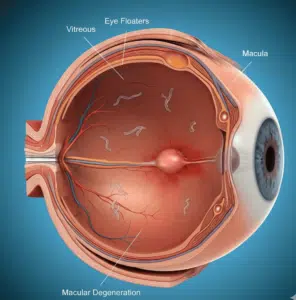
Increase lutein and zeaxanthin through leafy greens, eggs, and colorful vegetables. Many patients benefit from AREDS2 supplements with medical guidance. Eat omega-3-rich fish 2–3 times weekly, avoid high-glycemic foods, and follow a Mediterranean diet to support long-term retinal health. - Cataracts
Prioritize vitamins C and E with citrus fruits, berries, nuts, and seeds. A colorful plant-rich diet supports lens protection. Avoid processed foods and trans fats. Keeping blood sugar stable helps slow cataract progression and maintains clearer lens function. - Dry Eye
Omega-3s improve tear quality and comfort. Drink water throughout the day and reduce inflammatory foods while adding more food beneficial for eyes to help manage dryness while adding more food beneficial for eyes to help manage dryness. Limit caffeine or alcohol if they worsen dryness. Consistent hydration and nutrition help maintain a stable tear film and reduce irritation. - Diabetic Retinopathy
Blood sugar control is the foundation. Choose low-glycemic meals, increase dietary fiber, and include omega-3 sources regularly. Smaller, balanced meals help prevent glucose spikes, supporting retinal health and slowing disease progression over time. - Glaucoma:
Leafy greens may support healthy blood flow to the optic nerve. Omega-3s can offer additional benefits. Limit high caffeine intake and maintain a healthy weight. These habits complement medical treatment and help protect vision.

2. For Different Age Groups
- Children and Teens
DHA is crucial for eye and brain development, while vitamin A supports night vision. Build healthy habits early with greens, fruits, and eggs. Lutein may aid learning and memory. Reduce excessive screen time and manage blue light exposure for long-term eye wellness. - Adults 20–50
This is the prevention stage, focusing on lifelong habits. A Mediterranean-style eating pattern supports visual health. Prioritize nutrients that reduce eye strain and improve focus. Include adequate protein and minerals daily to maintain eye function and overall well-being. - Adults 50+
After age 50, AMD risk increases. Boost lutein and zeaxanthin through leafy greens. If diagnosed, ask a doctor about AREDS/AREDS2 supplements. Ensure sufficient protein intake and schedule regular eye exams to monitor changes and protect vision over time. - Pregnancy & Nursing
DHA supports fetal retinal and brain development and serves as key food for eyesight improvement during pregnancy. Get vitamin A mainly from foods, avoiding excess supplements. Eat folate-rich options like greens and legumes. Choose low-mercury fish and maintain omega-3 intake during pregnancy and breastfeeding for the mother’s and baby’s health.
3. For Vegetarians and Vegans
Key considerations:
- DHA is essential but often lacking; algae-based omega-3 supplements are reliable fish-free options.
- Vitamin A from plants (beta-carotene) converts less efficiently; consume colorful produce regularly
- Zinc absorption from plants is lower; vegetarians may need ~50% more, especially when relying on plant-based foods that improve vision over time
- Plant omega-3s (ALA) convert to DHA at only 5–10%; intake should be consistent
Best plant sources:
- Zinc: Legumes, chickpeas, lentils, beans, whole grains, fortified cereals
- Omega-3: Flaxseeds (ground), chia seeds, walnuts + algae-based DHA supplements
- Vitamin A precursors: Carrots, sweet potatoes, pumpkin, spinach, kale, mango, apricot
Tip: Combine plant proteins (beans + grains) throughout the day to improve mineral absorption and amino acid balance.
Food vs. Supplements
- Why Food Is Better?
- Synergy in whole foods: Whole foods contain hundreds of bioactive compounds working together, not just single nutrients. An orange delivers vitamin C plus fiber, flavonoids, folate, and antioxidants that boost effects beyond a capsule.
- Better absorption: Nutrients from food are absorbed more efficiently. The fats in an avocado help your body absorb carotenoids from salad greens.
- Built-in safety: You can’t easily overdose on nutrients from food; the body regulates absorption naturally. Supplements can reach excess levels.
- Whole-body advantages: Healthy eating doesn’t just nourish eyes; it supports a healthy weight, reduces diabetes risk, lowers blood pressure, and improves cholesterol especially when you include the best food for eyes regularly. Each benefit indirectly protects eyesight.
Studies show that people who regularly eat nutrient-rich diets have better eye health outcomes than those who eat poorly but rely on supplements.
2. When Supplements Make Sense?
1. Diagnosed AMD (intermediate or advanced): The AREDS2 formula is clinically proven to slow progression. Food alone cannot provide therapeutic doses; supplements can reduce progression risk by up to 25%.
2. Dietary restrictions: When key nutrients are hard to get from the diet alone:
- Algae-based DHA/EPA for vegans
- Allergies limit food choices
- Digestive conditions reduce absorption
3. Documented deficiency: If blood tests reveal low levels (vitamin D, B12, zinc, omega-3s), supplementation under guidance helps.
4. High-risk groups:
- Strong family history of AMD
- Smokers (avoid beta-carotene forms)
- Advanced age
- Increased nutritional needs
Proper approach: Supplements should support, not replace, a healthy diet. Think of them as nutritional insurance for gaps, not a shortcut.
Consulting healthcare providers: Discuss supplements with your eye doctor or physician first, especially if you take medications, are pregnant or nursing, have other conditions, or plan high doses.
Practical Tips for Success
Shopping Strategies
- Protein
Include fatty fish like salmon or mackerel twice weekly for DHA. Keep canned sardines or salmon for quick meals.(DO NOT BUY FARM RAISED FISH,THEY’RE VERY TOXIC) Add eggs, especially pasture-raised if possible, along with lean poultry for flexible, protein-rich dishes that support eye and overall health.
- Pantry Staples
Stocking almonds, walnuts, chia, and flax seeds by buying from bulk bins reduces cost. Keep whole grains like oats, quinoa, and brown rice. Legumes offer affordable plant protein and zinc. Use extra-virgin olive oil as the main fat and season food with herbs instead of salt.
- Frozen Foods
Frozen berries work well for smoothies or yogurt and are among the best foods for eyesight due to their antioxidant strength. Keep frozen vegetables handy for nutrient-rich sides. Frozen fish fillets make quick omega-3 meals when fresh options aren’t available. These freezer staples reduce waste and help maintain a healthy diet effortlessly.
- Budget Tips
Frozen fruits and vegetables cost less and match fresh nutrition. Buy nuts in bulk and store them in the freezer. Canned fish is inexpensive, shelf-stable, and rich in omega-3s. Choose seasonal produce and compare store brands to save without sacrificing quality while still selecting foods that support eye health.
Conclusion: Start Today
Your food choices influence your vision more than you realize. A diet rich in leafy greens, colorful produce, omega-3 fish, nuts, seeds, and whole foods can protect your retina, reduce inflammation, and support lifelong eye health, providing consistent food good for eyes at every meal. Supplements can help when needed, but nutrition is the foundation.
Start today:
- Add greens to one meal
- Eat fatty fish twice weekly for natural food for eyesight improvement through omega-3 intake
- Snack on nuts instead of chips
- Choose colorful produce
- Schedule an annual eye exam
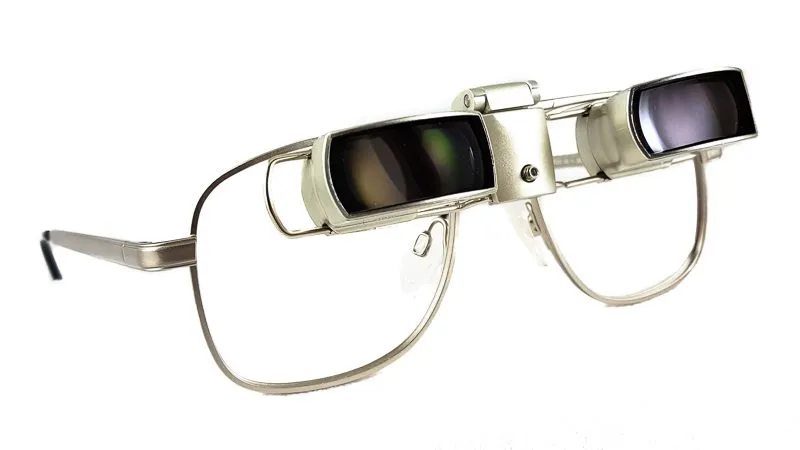
At Low Vision Aids, we combine nutrition guidance, eye-support tools, and care resources to help you maintain independence and visual comfort.
Take the next step: Download our meal guide or book a consultation to support your vision journey.
FAQ:
1. Can eating carrots really improve my vision?
Carrots help, but not magically. They contain beta-carotene, which turns into vitamin A, essential for night vision and overall eye health. Carrots can support good vision, but they won’t turn weak eyesight perfect on their own.
2. How long does it take to see results from eating better?
There’s no overnight change. Most people may notice benefits like less dryness, better comfort, and healthier eyes over 6-12 weeks with consistent nutrient-rich eating.
3. Are organic foods better for eye health?
Organic foods have fewer pesticides, but their nutritional value is similar in most cases. Both organic and regular fruits, vegetables, and leafy greens support eye health; what matters most is eating them consistently.
4. I don’t like fish. How can I get omega-3s?
Great alternatives include:
- Walnuts, chia seeds, flaxseeds, hemp seeds
- Avocado, soybeans, seaweed-based supplements
- Algal oil (a plant-based omega-3 supplement)
5. Can I reverse eye damage by changing my diet?
Diet can slow progression and support eye tissue, but most damage cannot be completely reversed. Nutrition works like maintenance; it protects what you have and reduces further loss. You can’t get back vision from cells that have died, but you can revitalize sick cells and prevent them from dying.
6. Do I need to avoid blue light from screens?
Short-term exposure is not dangerous, but it can cause eye strain, dryness, and fatigue. Follow the 20–20–20 rule: every 20 minutes, look 20 feet away for 20 seconds.
7. Are there foods I should completely avoid?
Not necessarily avoid, but limit:
- Sugary foods
- Deep-fried and processed snacks
- Excess salt
- Soft drinks and refined carbs
These contribute to inflammation and oxidative stress, which may worsen eye issues.
8. Can children benefit from eye-healthy foods?
Absolutely. Nutrients like vitamin A, lutein, omega-3s, and zinc help in developing healthy eyes and may reduce the risk of future vision problems.
9. Will these foods help with glasses prescriptions?
Healthy eating does not usually change prescription power. However, it keeps the eye tissues nourished and can prevent age-related decline.
10. Is it worth eating well if I already have advanced eye disease?
Yes, nutrition still matters. Eye-healthy foods can slow further deterioration, protect remaining vision, support overall eye function, and improve quality of life.





 Shop Best Low-Vision Aids with FREE Doctor Consultation.