
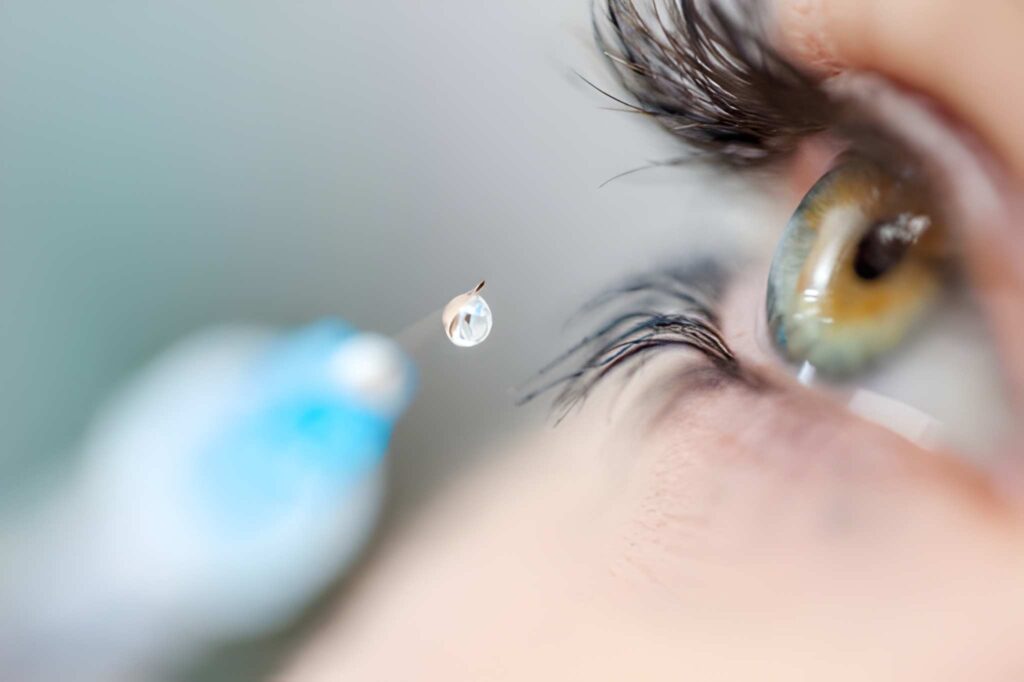
If your doctor has recommended an eye injection for a retinal condition, it’s normal to feel worried or scared. The thought of a needle near your eye is frightening, and medical terms can be confusing.
But here’s the good news: An Avastin eye injection treatment is a standard therapy that has saved the vision of millions worldwide. It offers hope for stabilizing sight in conditions like wet AMD, diabetic eye disease, and retinal vein blockage.
One of the biggest concerns for patients is cost. An Avastin injection is often much more affordable, around $50 to $100 per dose, compared to alternatives that can cost nearly $2,000. That cost difference can be life-changing.
Avastin is also widely used in real-world clinical practice. In one large real-world registry involving 3,806 Avastin injections across 1,761 patients, the average patient received about 2.16 injections over a nearly 3-year follow-up period. The total number of injections ranged from 1 to 15, depending on the underlying condition, with patients treated for diabetic macular edema (DME) and wet AMD typically requiring more frequent dosing.
This guide will walk you through how Avastin injections work, what to expect during recovery, how long Avastin eye injection stays in your system, and important details on safety and pricing.
What Is Avastin?
Avastin (generic name bevacizumab) actually started its journey as a cancer medication. It was approved by the FDA in 2004 to help treat certain cancers by stopping new blood vessels from feeding tumors.
However, retina specialists soon realized that the same science could help the eye. Since around 2005, doctors have used avastin injection eye treatments “off-label” to treat diseases where abnormal blood vessels damage the retina. By blocking the growth signals of these vessels, Avastin helps dry up fluid and protect your vision.
How Avastin Works in the Eye?
To understand how an avastin eye injection helps, think of a leaky pipe in your house.
In conditions like wet AMD or diabetic retinopathy, a protein called VEGF signals your eye to grow new, abnormal blood vessels. These vessels are weak and tend to leak fluid or blood into your retina, causing swelling and blurry vision.
Avastin is an “anti-VEGF” drug. It acts like a valve that shuts off that signal. By blocking VEGF, an avastin eye injection helps:
- Slow or stop abnormal vessel growth
- Reduce the leakage and swelling
- Stabilize, and in many cases, improve your vision
Avastin vs Lucentis vs Eylea vs Beovu (Overview Table)
Many patients want to know how the avastin eye injection price compares to other drugs. The difference is stark, even though the vision results are often very similar.
| Drug name | Generic name | FDA-approved for eye use? | Typical eye use | On-label or off-label for eye | Usual dosing after loading* | Approx. cost per injection (US)† |
| Avastin | Bevacizumab | No (cancer drug only) | Wet AMD, DME, RVO | Off-label | Often every 4 weeks; may extend | ~50 to 100 dollars (compounded) |
| Lucentis | Ranibizumab | Yes | Wet AMD, DME, RVO, other eye diseases | On-label | Usually every 4 weeks; some extend | ~1,800 to 2,000+ dollars |
| Eylea | Aflibercept | Yes | Wet AMD, DME, RVO, other eye diseases | On-label | Every 4 weeks at first, then often every 8 weeks or longer | ~1,800 to 2,000+ dollars |
| Beovu | Brolucizumab | Yes | Wet AMD | On-label | After 3 monthly doses, every 8 to 12 weeks in selected patients | Similar high cost |
Conditions Treated with Avastin Eye Injections
Doctors recommend avastin eye injections for retinal diseases driven by that “leaky pipe” problem we mentioned earlier.
- How Often Is Avastin Used?
In a typical retina clinic, the breakdown of patients receiving avastin eye injections looks roughly like this:
- Wet AMD: ~35%
- Diabetic macular edema/ retinopathy: ~35%
- Retinal vein occlusion: ~15%
- Other conditions: ~15%
- Primary Uses
1. Wet Age-Related Macular Degeneration (wet AMD)
This is a common reason older adults need treatment. Abnormal vessels grow under the macula (the part of your eye responsible for central vision). An avastin injection eye treatment helps shut down these vessels to save your central sight.
2. Diabetic Macular Edema (DME) and Diabetic Retinopathy
Diabetes can damage small blood vessels, causing swelling (edema) or dangerous new vessel growth (proliferative retinopathy). Avastin is commonly used to dry the retina and lower the risk of bleeding.
3. Retinal Vein Occlusion (BRVO and CRVO)
Think of this as a “mini-stroke” in the eye’s veins. It causes sudden swelling and blurred vision. Avastin eye injections are very effective at reducing this swelling to help restore sight.
3. Other Important, but Less Common Uses
Retina specialists may also use Avastin for a variety of other conditions, including:
- Proliferative Diabetic Retinopathy (PDR) – Used short-term to shrink abnormal blood vessels before or after laser treatment or surgery.
- Neovascular Glaucoma (NVG) – Helps shrink abnormal vessels on the iris and drainage angle, typically combined with surgery or laser treatment.
- Macular Edema from Other Causes – Addresses swelling caused by inflammation, post-surgical complications, or radiation damage.
- Choroidal Neovascularization (CNV) Not Caused by AMD – Treats abnormal vessel growth from conditions like pathologic myopia or inflammatory diseases.
These less common applications together often account for approximately 15% of Avastin injections provided in many clinics.
Avastin vs Other Anti-VEGF Drugs
When you compare Avastin to drugs like Lucentis or Eylea, the main differences are regulatory status and the avastin eye injection price, rather than how well they save your vision.
| Feature | Avastin | Lucentis | Eylea | Beovu | Vabysmo |
| Generic name | Bevacizumab | Ranibizumab | Aflibercept | Brolucizumab | Faricimab |
| FDA status for eye diseases | Not FDA-approved for eye use (approved for cancer only; eye use is off-label) | Approved for wet AMD, DME, RVO, DR | Approved for wet AMD, DME, RVO, DR | Approved for wet AMD and DME | Approved for wet AMD and DME |
| Approx. cost per injection (US list) | ~50 to 100 dollars (compounded dose) | ~1,800 to 2,000+ dollars | ~1,800 to 2,000+ dollars | ~1,800 to 2,000+ dollars | ~1,300 to 2,300 dollars |
| Molecule type and size | Full antibody, about 149 kDa | Fab fragment, about 48 kDa | VEGF-trap, about 115 kDa | Single-chain fragment, about 26 kDa | Bispecific antibody that targets VEGF-A and Ang-2, about 149 to 150 kDa |
| Typical dosing after loading | Often every 4 weeks, sometimes extended | Usually every 4 weeks; may be extended | Three monthly doses, then often every 8 weeks or longer | Three monthly doses, then every 8 to 12 weeks in selected patients | Four monthly doses, then every 8 to 16 weeks depending on response |
| Coverage (United States) | Off-label but widely covered when needed; lowest cost option | Covered for approved indications | Covered for approved indications | Covered, with extra monitoring for inflammation risk | Covered; payers consider higher cost versus other options |
| Effectiveness for vision | Similar to Lucentis in large trials when dosing schedules match | Very effective, but no major vision advantage over Avastin when used on the same schedule | Very effective and often allows longer intervals between injections | Effective but safety concerns remain due to rare cases of vasculitis | Effective; many patients can maintain vision on 12 to 16 week intervals |
The CATT Trial: Does Avastin Work as Well as Lucentis?
A major study called the CATT trial compared avastin eye injection, cost, and effectiveness against Lucentis. The results were clear:
- When given monthly, Avastin and Lucentis improved vision by almost the same amount.
- When given “as needed,” results were also very similar.
The takeaway? You aren’t sacrificing quality for the lower avastin eye injection price.
Why Is Avastin Still Off-Label?
- Avastin was originally developed as a cancer drug. Lucentis, a related drug from the same company, was specifically approved for eye use but is much more expensive.
- The manufacturer has not sought FDA approval for Avastin for eye conditions due to economic reasons it would compete with their higher-priced eye drugs.
- Despite being legally “off-label,” large clinical trials have proven Avastin’s effectiveness.
- Since 2005, retina specialists have widely used Avastin as the most affordable anti-VEGF treatment for eye diseases worldwide.
Avastin Injection Procedure: What Actually Happens?
Fear of the unknown is often worse than reality. Let’s walk through the procedure so you know exactly what to expect.
- Before the Injection
- Anesthetic Drops (Numbing Drops)
Often, proparacaine is used to numb the surface of the eye, reducing any pain during the procedure. You might feel cool drops at first, followed by mild numbness. - Betadine Antiseptic
This step cleans the eye and eyelids to minimize the risk of infection. It may cause a brief stinging or scratchy sensation. - Speculum to Hold the Eye Open
A speculum is placed to keep the eye open and prevent blinking. This may feel like light pressure on the eyelid or a “can’t blink” sensation. - Dilating Drops (Sometimes Used)
Dilating drops are occasionally applied to assist with a retina exam. These drops can cause light sensitivity and make near vision blurry for a while.
- During the Injection
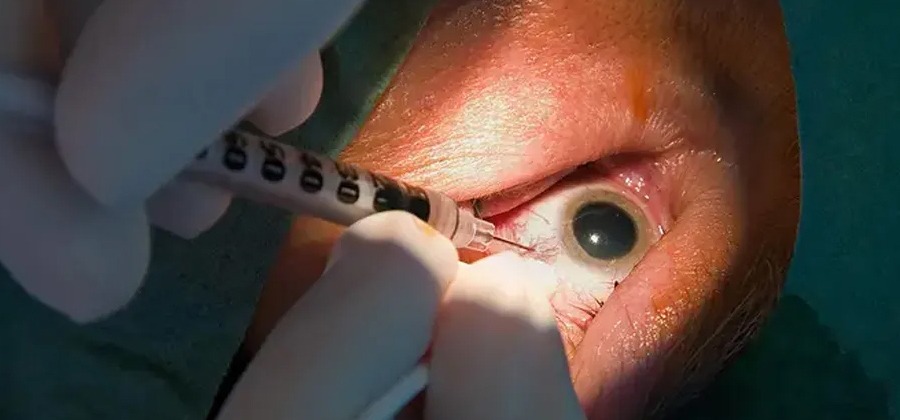
- The Injection Site: The doctor injects the medicine into the vitreous, the gel-like center of your eye. They choose a very specific spot on the white part of your eye (the sclera) to avoid hitting the lens or retina.
- A Tiny Amount of Medicine: The injection volume is very small, typically 0.05 ml.
- Pressure, Not Pain: Most patients report feeling a sense of pressure on the eye rather than sharp pain. The numbing drops do a great job of preventing discomfort.
- It’s Quick: The injection itself is over in about 15 to 20 seconds.
- Your Job is Simple: Your doctor will ask you to look in a specific direction and stay still. Just remember to keep breathing normally.
- Immediately After the Injection
- Vision Changes Right Away: Blurry vision for 1 to 2 hours is common. You may also notice moving spots or bubbles and mild fogging in your vision.
- Pressure Check (Sometimes): Your doctor might perform a pressure check, particularly for glaucoma risk or higher-risk patients.
- Antibiotic Drops (Often Prescribed): These are typically used for a short period as directed by your clinic to reduce infection risk.
- Activity Restrictions (First 24 Hours):
- Do not rub your eyes.
- Avoid pools, hot tubs, or dusty and dirty environments.
- Refrain from using eye makeup on the injection day (and sometimes the day after).
- Light activities are generally fine unless your doctor advises otherwise.
It’s important to follow all post-injection care instructions provided by your eye care specialist to promote healing and prevent complications.
What the Patient Actually Experiences?
Understanding the step-by-step process of an eye injection can ease anxiety and help you know what to expect during your visit. Here’s a straightforward breakdown:
- Arrival and Check-in
Upon arrival, routine steps include a vision test, checking eye pressure, and reviewing your medical history. - Eye Exam
Your doctor performs a detailed retina exam, sometimes using OCT imaging. Based on findings, the decision to proceed with an injection is made. - Preparation
Numbing drops are applied to your eye, and the area is cleaned with betadine. You’ll be positioned in a reclined, comfortable position. - Positioning
A small device called a speculum is placed to keep your eyelids open, and you’ll be guided to look in a specific direction. - Injection
The injection itself involves brief pressure and might feel like a mild “poke,” but lasts only a few seconds. - After the Injection
It’s common to experience watering or a scratchy sensation, similar to having an eyelash in your eye. Some floaters or small bubbles may be visible. - Going Home
Your vision may remain blurry for the rest of the day, especially if your eye was dilated. Many patients prefer a driver. Use any prescribed eye drops as directed and avoid touching or contaminating your eye.
Common Sensations (Not Pain-Focused)
- Cool drops from the anesthetic.
- Mild burning or scratchiness from the betadine used to clean the area.
- Pressure on the eyelids from the speculum.
- A brief feeling of fullness or pressure inside the eye during the injection.
- Gritty or dry sensations as the day progresses.
- Floaters, bubbles, or streaks of light may appear shortly after the injection.
This process is designed to be as efficient and comfortable as possible, with your safety and well-being prioritized at every step.
Side Effects of Avastin Eye Injections
Every medical treatment carries risks, and it is important to be informed. Generally, avastin eye injection side effects are manageable, but you should know what to look for.
- Common Side Effects (About 10% to 40%)
These avastin eye injection side effects are usually uncomfortable but not dangerous:
- Red spot on the eye: A subconjunctival hemorrhage looks alarming (like a bruise on the white of your eye) but usually isn’t painful and fades over a week or two.
- Floaters: Tiny bubbles from the injection can cause spots in your vision.
- Gritty feeling: It is common for side effects of avastin eye injections to include irritation or a dry sensation for 24 to 48 hours.
- Increased eye pressure: A feeling of fullness right after the shot.
- Uncommon Side Effects (About 1% to 5%)
Some patients experience these avastin side effects. Eye injection recipients report:
- Mild to moderate eye pain lasting a day or two.
- Light sensitivity (sunglasses help!).
- Watery eyes.
- Rare but Serious Side Effects (Less than 1%)
While rare, you must take these seriously. If you notice these avastin injections in eye side effects, call your doctor immediately:
- Endophthalmitis (Infection): Severe deep pain, rapid vision loss, and increasing avastin injections in eye side effects redness.
- Retinal Detachment: A sudden increase in floaters, flashes of light, or a curtain/shadow over your vision.
- Stroke: Extremely rare, but systemic issues are possible.
- When to Call Your Doctor
If you are worried about eye injection avastin side effects, always err on the side of caution. Call your clinic if you have:
- Severe pain.
- Sudden vision loss.
- A “shower” of new floaters.
- Worsening redness after 48 hours.
5. How Long Do Side Effects Last? (Quick Timeline)
| Timeframe | What can be normal |
| 0 to 24 hours | Blurry vision, mild irritation/tearing, pressure/fullness, gritty sensation, small floaters/bubbles |
| 24 to 48 hours | Most irritation improves; mild light sensitivity may remain |
| 2 to 7 days | Floaters fade; red spot may persist but shrink and change color |
| 1 to 2 weeks | Subconjunctival hemorrhage often clears significantly or completely |
| Any time (days to weeks) | New flashes, many new floaters, curtain/shadow, severe pain are not normal and need urgent evaluation |
Effectiveness & Results of Avastin Eye Injections
It helps to think of avastin eye injections as maintenance therapy. It is not usually a “one-and-done” cure, but a way to manage a chronic condition.
- Vision Improvement Timeline
- 1-4 Weeks: Some people notice sharper vision quickly.
- 3-6 Months: This is often when you see the maximum benefit. The retina dries out, and vision stabilizes.
- Long-term: Many patients maintain their vision for years with regular treatments.
Expected Outcomes
Studies show about 40% of patients see a big improvement (gaining 3 lines on the eye chart), while 60-70% hold steady. Only a small percentage lose vision despite treatment.
- Treatment Schedule
Your retina specialist personalizes dosing, but many plans follow:
- Loading Phase
- Monthly injections for 3-6 visits
- Goal: Dry fluid quickly and stabilize vision.
- OCT and visual acuity are monitored closely to confirm the eye is responding.
- Maintenance Phase
- Two common approaches:
- Treat-and-Extend
- Injection at every visit; interval extends only if the eye stays dry.
- Example: 4 → 6 → 8 → 10-12 weeks when stable.
- If fluid/bleeding returns, the interval is shortened again.
- Goal: Your longest safe interval (fewer visits while still protecting vision).
- PRN (“as-needed”)
- Regular follow-ups; inject only if OCT/vision shows new activity (fluid, bleeding, worsening).
- Can reduce injections, but requires reliable monitoring so reactivation isn’t missed.
- Treat-and-Extend
- Typical maintenance range: Every 4-12 weeks, depending on disease activity and how fast fluid returns.
- Two common approaches:
3. Duration of Treatment
- Often long-term (sometimes lifelong) for chronic conditions like wet AMD and DME.
- If stable, some patients stretch visits to every 3-4 months; others remain closer to every 4-8 weeks.
- Stopping can allow new fluid/bleeding and a sudden drop in vision, so any pause/stop is done carefully with close follow-up.
Think of Avastin as maintenance therapy: the goal is long-term stability with the fewest injections needed to protect vision.
Cost & Insurance: What Does Avastin Really Cost?
Avastin is widely used because it provides an effective and affordable option for preserving vision, making it a practical choice for many patients.
- Typical US Cost Per Visit (before insurance)
| Component | Typical Range |
| Avastin drug (compounded eye dose) | $50-$100 (avg ~$85) |
| Procedure/ facility fee | $200-$500 |
| Estimated total per visit | $250-$600 |
Coverage (US)
- Medicare Part B: Covers Avastin when medically necessary. After meeting the deductible, Medicare typically pays 80% of the approved amount. The remaining 20% is often covered by Medigap, if you have it.
- Private Insurance: Commonly covers Avastin, with prior authorization generally less frequent compared to higher-cost drugs like Eylea or Lucentis.
Typical out-of-pocket costs for patients are around $50-$150 per visit, depending on your specific deductible, cost/coinsurance, and supplemental coverage. Clinic billing staff can often estimate your financial responsibility.
- Annual Cost Comparison (Total Billed Costs Before Insurance)
| Drug | Number of injections per year | Total Billed Cost |
| Avastin | ~8 injections/year | $2,000-$4,800 |
| Lucentis | ~8 injections/year | $16,000-$24,000 |
| Eylea | ~6 injections/year (after loading) | $12,000-$18,000 |
Even if insurance reduces the out-of-pocket expense for patients, the total cost to the healthcare system and individual financial burden are often lower with Avastin.
- Why Avastin Is Cheaper
- Repackaged from a larger vial: Avastin is primarily produced for cancer treatment, and one vial can be divided into many smaller eye-dose syringes, lowering the per-dose cost through bulk production.
- No eye-specific marketing: Avastin is an off-label option in ophthalmology, which significantly reduces marketing and brand-associated expenses.
- Off-label status can lower pricing pressure compared to branded drugs.
- Eye-specific branded drugs (Lucentis/Eylea) come with additional cost demands, including research, large FDA trials, and marketing campaigns targeted at eye care.
- Financial Assistance Options
If cost is a concern, you may explore the following options:
- Clinic or hospital charity care programs or income-based discounts.
- Nonprofit assistance programs tailored for vision care or medical expenses.
- Medical financing options like CareCredit, if offered by your clinic.
- Manufacturer copay cards for branded drugs (Lucentis/Eylea); these are not typically available for Avastin.
- State vocational rehabilitation or blindness programs, available in some areas.
- Medicare Advantage plans, as networks, preferred drugs, and copays vary; it’s important to check with your provider regarding your specific copay details.
This underscores why Avastin remains a popular, cost-effective choice for preserving vision without compromising efficacy.
How Long Does Avastin Stay in the System?
- Patients often ask: How long does Avastin eye injection stay in your system?
- In the eye: The medication stays active for about 28 to 40 days, which is why doctors usually schedule monthly visits initially.
- In the bloodstream: A very small amount enters the blood and is cleared within 14 to 21 days.
- Quick clearance means long-term accumulation is rarely a safety concern. The drug does not “stack up” dangerously over time.
- If you have concerns about how long Avastin eye injection stays in your system, speak with your retina specialist to discuss your medical history.
Safety & Controversies
- Off-Label Use
Off-label use is common and supported by organizations like the AMA and AAO when backed by evidence. Medicare and many insurers cover Avastin for eye conditions if medically necessary.
- Contamination Concerns
Infections in 2011-2012 were due to compounding issues, not Avastin itself. Stricter standards now ensure safety, with most clinics using trusted pharmacies and single-use syringes, minimizing infection risk.
- Stroke and Systemic Risks
Research shows no significant difference in stroke or systemic risks between Avastin and similar drugs like Lucentis. Your retina specialist may adjust treatment based on your medical history.
- Long-Term Safety
Avastin has been safely used in ophthalmology for over 15 years, with millions of injections worldwide and side effects comparable to other anti-VEGF treatments.
Quality Assurance: How to Make Sure Your Avastin Is Safe
To ensure your Avastin treatment is safe, it’s important to ask your clinic the following questions:
- Which compounding pharmacy prepares the syringes, and is it accredited or regularly inspected?
- Do you use single-use prefilled syringes or vials for each patient?
- What infection-control steps do you follow on injection day?
By confirming these details, you can feel more confident in the safety and quality of your treatment.
Patient Experience & Recovery
- First 24 Hours
Blurry vision is common but often clears within hours. Avoid rubbing your eyes, pools, hot tubs, or dusty areas. You can usually watch TV or use your phone, but avoid driving until your vision is clear.
- First Week
Most people resume normal activities by day 2 or 3. Use prescribed drops as directed. Floaters or redness may appear but usually fade within a week or two.
- Improvement
Vision may feel “off” for 24-48 hours, with gradual improvement. Peak effects often occur around 4-6 weeks, with benefits building over repeated treatments.
- Emotional Adjustment
Feeling nervous is normal, but it gets easier with time. If anxiety persists, ask your care team for guidance or support resources. Your comfort matters. Don’t hesitate to ask for help.
Questions to Ask Your Doctor
To feel more in control, take these questions to your next appointment:
- Why do you recommend Avastin over other options for me?
- What specific avastin eye injection side effects should I watch out for?
- Are there specific side effects of avastin eye injections related to my other health conditions?
- Can we look at the avastin eye injection price vs. my insurance copay?
- What are the rare eye injection avastin side effects I need to know?
- How will we monitor if the avastin eye injection is working?
Living with Ongoing Treatment
- Practical Planning
- Use calendar reminders (1-2 days before and the day of) to keep track of your appointments.
- Plan transportation since your vision may be blurry after injections, ensuring a safe trip home.
- Bring a companion if it helps you feel more at ease or to assist with understanding instructions.
- Coordinate with work by scheduling appointments on a lighter day or later in the day, if possible.
- Low Vision Aids Between Visits
- Use your phone or tablet’s zoom features or invest in electronic magnifiers to better read texts and small details.
- Enhance your home setup with better task lighting to reduce eye strain during daily activities.
- Organize your life with large-print calendars, labels, or pill organizers for easier visibility.
- Enable accessibility settings on devices, such as larger text, bold fonts, or voice read-out options, to simplify communication and tasks.
- Support Resources
- Join vision-loss or AMD support groups, either locally or online, to connect with others who share your challenges and discover useful advice.
- Explore transportation assistance programs for greater mobility and independence with medical or personal errands.
- Seek financial counseling through clinics or hospitals to review your coverage and discuss available financial assistance options.
It’s important to remember that these small adjustments can significantly improve your quality of life and help you stay more independent between treatments.
FAQ
- Is Avastin as effective as Eylea or Lucentis?
Yes. For many patients, the results are similar. The main difference is the avastin eye injection cost. - Why isn’t Avastin FDA-approved for eye use if it works?
It is a business decision by the manufacturer. However, avastin eye injections are standard medical care globally. - Does an Avastin injection hurt?
Most people say no. You feel pressure, but numbing drops prevent sharp pain. - How long before I see improvement?
Some see changes in 1-4 weeks, but full benefits often take a few months. - Are there side effects of avastin eye injections I should worry about?
Most avastin side effects in eye- injected patients are mild (redness, irritation). Serious infection is very rare. - What happens if I miss an injection?
The disease can reactivate. Consistency is key. - Are there alternatives to injections?
Currently, drops or pills cannot replace anti-VEGF injections for these conditions. - Will I need injections forever?
Many patients need long-term treatment to maintain vision, though the frequency may decrease over time. - Can both eyes be treated on the same day?
Yes, many doctors safely treat both eyes at once. - Does Avastin cure wet AMD?
No, it controls the disease and preserves vision, but it is not a permanent cure.
Conclusion
Avastin is a proven, effective tool for fighting retinal disease. It offers a way to protect your sight without the overwhelming financial burden of other drugs. While the list of avastin injections in eye side effects or eye injection avastin side effects can look scary on paper, the reality for most patients is a manageable treatment that helps them keep reading, driving, and seeing the faces of their loved ones.
It is okay to be nervous. Many patients also worry about how long does avastin eye injection stay in your system, especially when treatment continues over months or years. The reassuring fact is that the medication clears gradually and does not build up dangerously in the body when used as prescribed.
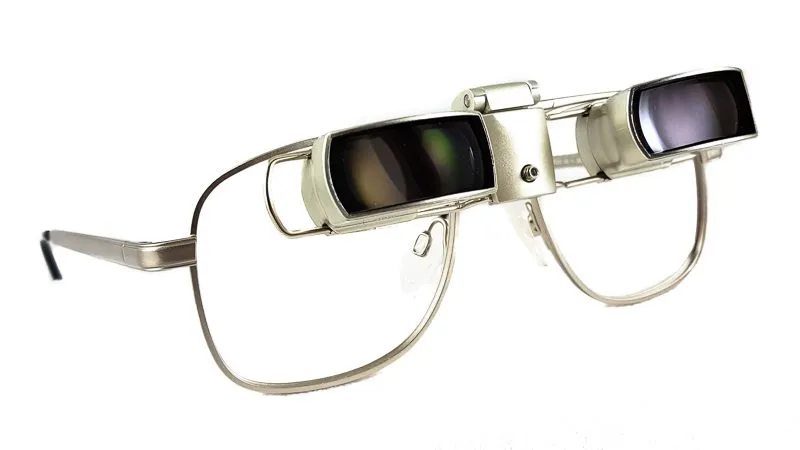
Our company provides a range of practical, easy-to-use low vision solutions from magnifiers to better lighting that can help you maintain your independence between treatments. Many patients have no idea that there are so many devices that can help you to see and function better while dealing with vision loss. Don’t hesitate to reach out if you need help to maintain your independence while being treated for one of these conditions described above.






 Shop Best Low-Vision Aids with FREE Doctor Consultation.