
Living with changes in vision can feel overwhelming, especially when regular glasses no longer help. Simple tasks like reading a bill, checking a price tag, or recognizing a loved one’s face may become difficult. You are not alone in this experience. Over 12 million Americans age 40 and older live with vision impairment, and many find meaningful support through aids that low vision users rely on for daily tasks. These impaired vision aids can help restore independence and make everyday activities manageable with the right visual aid.
While we can’t always “fix” vision loss, there are powerful aids to help you use the vision you still have. This guide will explain visual aids and walk you through your options, from low vision aids to other tools that can make life easier. Understanding the visual aid definition helps clarify that these tools are designed to enhance remaining vision, not replace it. You don’t have to face this alone; let’s explore how the right visual aids can help you regain confidence and control in your daily life.
What Are Low Vision Aids?
Visual aids definition: Low vision aids are specialized tools that help people with vision loss see better. Unlike standard eyeglasses, these visual aids focus on working with remaining vision to make daily tasks easier, promoting independence and comfort. This clear visual aid definition helps set realistic expectations while highlighting how these tools support daily life. If you’re new to low vision aids, you might ask, what are visual aids?, “What is a visual aid?” These impaired vision aids, such as electronic magnifiers, differ from basic glasses by offering customizable settings to meet your needs.
Understanding visual aids and their purpose is important, whether you need them for reading or for conditions like macular degeneration. Knowing what is a visual aid, means understanding that they won’t cure eye disease, but they can significantly improve your day-to-day life. Think of them as assistants for your eyes, a visual aid or aide designed to support daily life, a practical visual aid definition in action, each visual aid helping you achieve more with ease. Always consult a specialist to find the best options for your lifestyle.
How Do They Help?
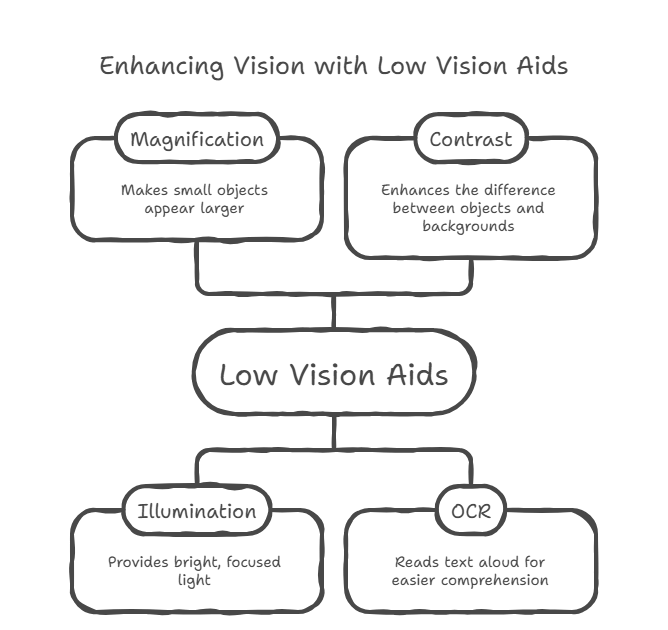
- Magnification: They make things look bigger. This helps you see details that are too small for your eyes to catch on their own.
- Illumination: They provide bright, focused light. This reduces shadows and glare, making everything clearer.
- Contrast: They make objects stand out from their background. For example, making black letters look very dark against a bright white page helps you read more easily.
Some advanced electronic aids can even read text out loud for you. This means if your eyes are too tired to read, your ears can take over. This is called OCR (optical character recognition).
The 3 Main Types of Low Vision Aids
There are many different aids that low vision users choose, but they generally fall into three categories. These aids for low vision are designed to support reading, mobility, daily tasks, and overall independence, depending on your specific vision challenges.
1. Optical Devices (Lenses)
These are usually the first tools people try. They use glass or plastic lenses to make things look bigger.
- Handheld Magnifiers: These are small magnifying glasses you hold in your hand.
- Best for: Quick tasks like reading a menu, looking at a price tag, or checking a pill bottle.
- Why people like them: They are small, portable, and usually affordable (often $15 to $100).
- Keep in mind: You need a steady hand to hold them.
- Stand Magnifiers: These rest directly on the page. You do not have to hold them up.
- Best for: Reading a book, doing a crossword puzzle, or looking at a magazine for a long time.
- Why people like them: They are steady and often have a built-in light.
- Keep in mind: They are bulkier than handheld ones, so they are best used at a table.
- Magnifying Glasses: These look like regular reading glasses but have much stronger lenses.
- Best for: Keeping your hands free while you read, knit, or do crafts.
- Why people like them: You can use both hands for your task.
- Keep in mind: You have to hold the object very close to your face to see it clearly.
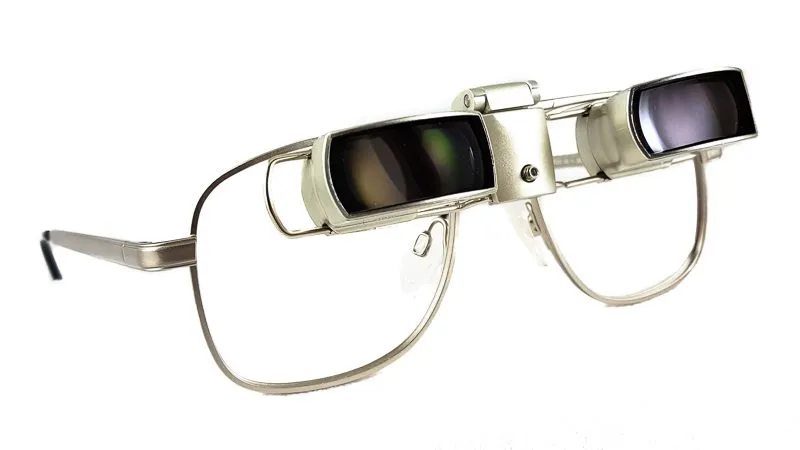
- Telescopes: These help you see things far away. They can be small handheld scopes or mounted on glasses.
- Best for: Watching TV, seeing a street sign, or watching a grandchild play sports. We have some really versatile clip-on bioptic telescopes that can really help you maintain your independence. They can be used on multiple pairs of glasses and they’re a fraction of the cost of hard mounted telescopes.
| Device Type | Magnification | Best Use | Hands-Free? | Price Range |
| Handheld Magnifier | 2x-10x | Short reading, labels, menus | No | 15-100 USD |
| Stand Magnifier | Typically 2x-12x | Prolonged reading, crafts | Partially | 30-150 USD |
| Magnifying Glasses | Typically 2x-6x | Near tasks at a close distance | Yes | 200-800 USD |
| Telescopes | About 2x-8x | Distance signs, TV, and the classroom | Varies | 100-3,000+ USD |
2. Non-Optical Aids (Simple Tools)
Sometimes, the best solution isn’t a lens at all. These are simple changes to your environment that make seeing easier.
- Better Lighting: As we get older, our eyes need more light. A flexible lamp that shines light directly on your book or sewing (without shining in your eyes) can work wonders.
- Large Print Items: You can buy calendars, playing cards, clocks, and phones with extra-large numbers. This puts less strain on your eyes.
- High Contrast Tools: Imagine trying to pour milk into a white cup that is hard to see! Using a dark cup makes the white milk stand out. Using bold markers instead of pens helps, too.
- Reading Stands: These hold your book up so you can sit comfortably without bending your neck.
- Sunglasses: Special tinted glasses (like amber or yellow) can cut down glare, which is very helpful both indoors and outdoors.
- Typoscopes: Typoscopes are black reading guides with a rectangular cutout. When placed over a page, they help highlight one line at a time, improve contrast around the text, and reduce the distraction of “floating” lines. This makes reading easier and less tiring.
3. Electronic and Digital Devices
Technology has reshaped how we answer what are visual aids today. These devices use cameras and screens to make images bigger, brighter, and clearer.
- Video Magnifiers (CCTVs):
This is a machine with a camera and a screen. You put a document under the camera, and it shows up huge on the screen. You can change the colors (like making text white on a black background) to make it easier to read.- Best for: Writing checks, looking at family photos, or reading long letters.
- Electronic Handheld Magnifiers:
These look like a smartphone. You hold it over text, and the screen shows a magnified version. - Computer Screen Readers:
Software programs can read the text on your computer or tablet out loud. This is wonderful for email or browsing the internet. - Smart Vision Glasses:
These are high-tech wearable glasses. They use cameras and artificial intelligence to recognize faces, read signs, or read books to you. They are more expensive but offer great independence. - E-Readers:
Devices like Kindle or Kobo are great for reading with ease. They allow you to adjust font size, line spacing, and contrast to suit your needs. These devices can store many books in a lightweight design and often include features like text-to-speech or compatibility with screen readers.
| Device | Magnification Range | Portability | Key Features | Price |
| Desktop video magnifier | About 20x-80x | Low | Large screen, high contrast control | 300-4,000 USD |
| Portable video magnifier | About 10x-40x | Medium | Battery-powered, on-the-go reading | 300-1,500 USD |
| Electronic handheld magnifier | About 2x-50x | High | Small screen, freeze frame, contrast modes | 200-700 USD |
| Screen reader software | None (audio only) | High (on devices) | Reads text aloud, keyboard shortcuts | Free-1,200 USD |
| Smart vision glasses | Variable (near/distance) | Medium | Camera, AI, face/text recognition | 2,500-6,000 USD |
| Phone/tablet apps | Device zoom levels | Very high | Magnifier, voice assistant, AI tools | Free-20 USD/app |
| E-readers | Adjustable font size | High | Large print, high contrast, lightweight | 90-300 USD |
Which Aid is Right for Your Eye Condition?
Different eye conditions affect vision in different ways. Here is a general guide to what often helps, but remember that every person is unique.
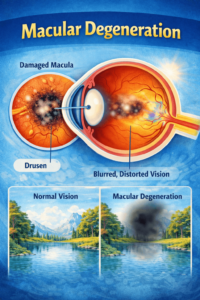
If you have Macular Degeneration (AMD), low vision aids for macular degeneration are often essential.
This condition affects your central vision (what you see straight ahead). You might struggle to see faces or read.
- What often helps: Strong magnification and low vision aids for macular degeneration. Video magnifiers are also helpful low vision aids for macular degeneration, because they can make the image large enough to see around the blind spots.
If you have Glaucoma:
This often affects your side vision (peripheral vision). It can feel like looking through a tunnel.
- What often helps: Good lighting is key. Sometimes, special prism glasses can help expand your field of view. Orientation training can also help you move around safely.
If you have Diabetic Retinopathy:
Your vision might change from day to day, with blurry spots.
- What often helps: Electronic devices are great because you can adjust the brightness and contrast depending on how your eyes feel that day.
If you have Cataracts:
Even after surgery, you might be sensitive to glare.
- What often helps: Good sunglasses to block glare and lamps that you can adjust carefully.
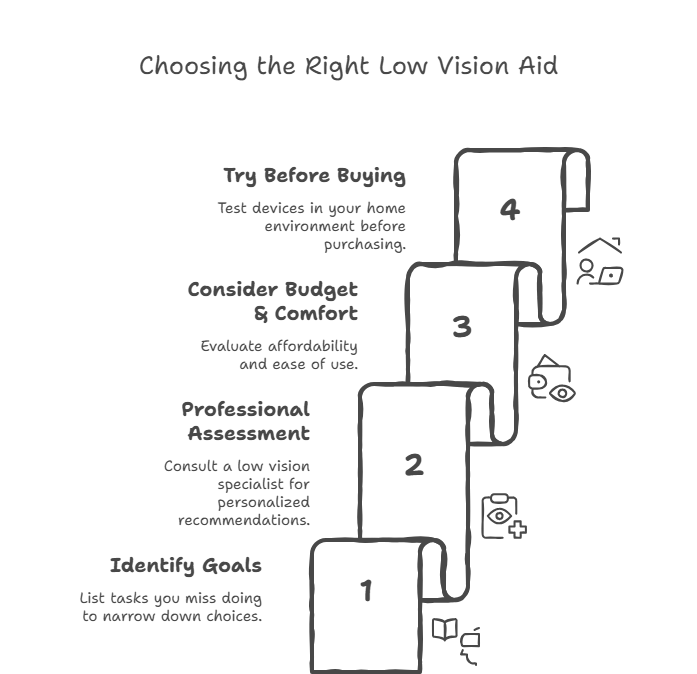
4. Steps to Choosing the Right Aid
Picking the right visual aid can feel confusing because there are so many options. The key is understanding how different aids for low vision match your daily goals, comfort level, and eye condition. Here is a simple 4-step process to help you decide.
Step 1: Think about what you want to do.
Make a list of the tasks you miss doing. Do you want to read your mail? Do you want to watch TV? Do you want to cook safely? Knowing your goals helps narrow down the choices.
Step 2: Get a professional assessment.
It is best to see a low vision specialist. This is usually an eye doctor with special training. They can check your vision carefully and let you try out different devices to see what feels best. We offer free phone consultations if you’d like to try that if there isn’t a low vision specialist near you.
Step 3: Consider your budget and comfort.
Think about what you can afford and what you feel comfortable using. If you don’t like technology, a simple optical magnifier might be better than a high-tech digital one.
Step 4: Try before you buy.
If possible, borrow a device or ask for a demonstration. You want to make sure it works for you in your home environment before you spend money on it.
Tips for Using Your Aids Successfully
- Training helps explain visual aids through hands-on use.
Practice using aids and low vision tools to get comfortable with them. Start with simple tasks and work up to harder ones. Specialists can teach you helpful techniques, like using healthier parts of your vision or scanning your surroundings.
- Lighting Tips
Good lighting helps your aids work better. Direct light onto your task, not your eyes, to avoid glare. Use a lamp angled from behind your shoulder and combine it with overhead lighting. Natural daylight works too, but soften it with curtains to reduce glare.
- Stay Organized
Keep important items like keys, remotes, and magnifiers in one spot. Use large-print or visible labels and high-contrast colors to find things easily. Clear clutter to make everyday tasks less stressful.
- Use Multiple Aids
Understanding what are the visual aids makes it easier to combine them. For example, a magnifier works best with good lighting, while smart glasses help with distance. Using more than one tool meets more needs.
- Care and Maintenance
Keep aids clean and charged. Update software when needed and store devices in cases to prevent damage.
- When to Upgrade?
If your vision changes or your aid feels less effective, it might be time to upgrade. Newer aids for low vision technology can offer better features and more convenience. Consult your specialist to find the best option for you.
Cost and Insurance: What to Expect
- Price Ranges by Category
- Basic Optical Aids: $15-$150 (e.g., simple handheld or stand magnifiers, task lamps).
- Advanced Optical Aids: $200-$1,000 (e.g., custom magnifying glasses, telescopes, specialty filters).
- Electronic Handheld Devices: $200-$700 (e.g., digital magnifiers with zoom and contrast modes).
- Video Magnifiers (CCTVs): $300-$4,000 (e.g., desktop and portable systems).
- Smart Glasses and Wearable Tech: $2,500-$6,000 (e.g., eSight, IrisVision, OrCam).
- Insurance Coverage
- Medicare: Usually doesn’t cover low vision aids, but may cover items like one pair of glasses or contact lenses after cataract surgery.
- Medicaid: Coverage depends on your state and specific program.
- Private Insurance: Rarely covers low vision devices, but might pay for the eye exam.
- Veterans Affairs (VA): Eligible veterans may receive devices and training.
- Prescription Optical Devices: May be partly covered if listed as medically necessary.
- Financial Assistance
Organizations like Lions Clubs International, state vocational rehabilitation programs, and non-profits often provide help. Some vendors and clinics also offer payment plans.
- Budget-Friendly Options
Start with simple and affordable tools, like magnifiers costing $15-$50. Use free features on smartphones or tablets, borrow large-print books, or ask about lending libraries for low vision aids. Focus on the value these tools can bring to your independence and quality of life.
Where to Buy Low Vision Aids?
- Low Vision Specialty Retailers
These vendors focus specifically on vision loss and offer the widest range of devices along with expert advice. You can often try products in person or through a demo.
Examples: Low Vision Aids store, LS&S, MaxiAids, Independent Living Aids and of course lowvisionaids.org.
Best for: A large selection, expert guidance, and the chance to try before you buy.
- Optical Stores
Optometrists and optical shops provide prescription magnifying glasses, telescopes, and special filters that are professionally fitted. However, they usually have limited non-optical items.
- Online Retailers
Websites like Amazon or eBay are good for budget-friendly magnifiers, lamps, large-print items, and replacements. Keep in mind, you cannot try items first, and quality may vary. Be sure to check reviews and return policies.
- Medical Supply Stores
These stores often carry some low vision aids alongside other medical items like walkers or wheelchairs. The selection is smaller but convenient if located nearby.
- Big Box Retailers
Stores like Target, Walmart, or CVS often stock basic tools like magnifiers, large-print clocks, and reading lights. These are a good, low-cost option for starting out.
- Resource Centers
Local organizations for the blind and visually impaired often have centers where you can borrow devices to try before buying. They may also host demonstrations.
- Recommendations
Start by working with a low vision specialist. Look for vendors that offer clear return policies and warranties, and compare prices across different sources to find the best fit for your needs.
Living Well with Low Vision Aids
- Real-Life Success Stories
With the right tools, many people can return to activities they thought were lost. Video magnifiers are effective vision aids for macular degeneration, while good lighting and magnifiers can bring back hobbies like sewing or painting. Screen readers help people stay productive at work, and combining various aids allows many to live independently. I ran into one of my low vision patients at an outdoor concert and he had his bioptics on, He said it was probably the most life-changing thing he’d bought in a long time.
- Emotional Adjustment
It’s normal to feel frustrated when starting with new devices. It takes practice, but skills and confidence improve over time. Support groups can be a great way to connect with others who understand. Remember to celebrate small victories, like reading a label or taking a walk.
- Integration into Daily Life
Making low vision aids part of your routine is key. Keep each vision aid where you use it, like a magnifier by your reading chair. At work, adjust screen settings or lighting. For outings, bring portable aids to help you stay independent.
- Advocacy
Understanding your rights is important. The Americans with Disabilities Act (ADA) says your workplace must help you with things like accessible technology or better lighting. Talking with family and friends can also help them understand how to support you.
- Resources and Quality of Life
Rehabilitation services, occupational therapy, and emotional support from groups or counselors are all valuable resources. Staying active and adapting hobbies helps, too. Remember, using a visual aid or aide is a way to stay engaged and live a full life.
Frequently Asked Questions
Q1: Do I need a prescription for low vision aids?
For strong glasses or telescopes, yes. But for most magnifiers, lamps, and electronic aids, you do not need a prescription.
Q2: Can children use these aids?
Absolutely. There are aids designed specifically for children to help them in school and at play.
Q3: Will these aids fix my vision?
No, these aids cannot cure eye disease or restore 20/20 vision. Instead, they help you use the vision you have more effectively so you can be independent.
Q4: What if my vision gets worse?
If you notice changes, schedule an appointment with your specialist. You might simply need a stronger magnifier or a different type of device.
Q5: Can I use more than one device?
Yes! Most people find that having a “toolbox” of different aids works best. You might keep one in the kitchen, one in your purse, and one by your reading chair.
Q6: Will my insurance cover low vision aids?
Navigating insurance can feel overwhelming. While most basic health insurance plans don’t cover low vision aids, you still have options. Check to see if you qualify for veterans’ benefits or state-sponsored vision programs, as these can sometimes provide support.
Q7: What’s the difference between regular magnifiers and low-vision magnifiers?
A regular magnifier is like basic reading glasses, simple and limited. Low vision magnifiers, however, are medical devices with higher power and contrast, designed to help you see despite vision loss.
Q8: How long do low vision aids last?
Most low vision aids are built to be reliable, long-term companions. Simple optical tools can last for years with basic care. Electronic devices are also quite durable, though you might eventually choose to upgrade as technology improves or your vision needs change over time.
Q9: Are there low vision aids for driving?
Safety is the top priority when it comes to driving with low vision. Options are very limited, though special “bioptic” telescope glasses are legal in some areas. It’s always best to check your local laws. For many, alternative transportation is the safest choice for staying mobile.
Q10: How do I know which magnification I need?
You don’t have to figure this out on your own. A low vision specialist can assess your vision and daily needs to find the right magnification for you. It’s always best to try a device before you buy it.
Conclusion
Living with low vision can be challenging, but the right visual aid can help you regain independence and improve your daily life. By choosing devices tailored to your needs, you can continue to do the things you love with greater ease and confidence. Remember, Support professionals help explain visual aids clearly and patiently to guide you every step of the way.



 Shop Best Low-Vision Aids with FREE Doctor Consultation.